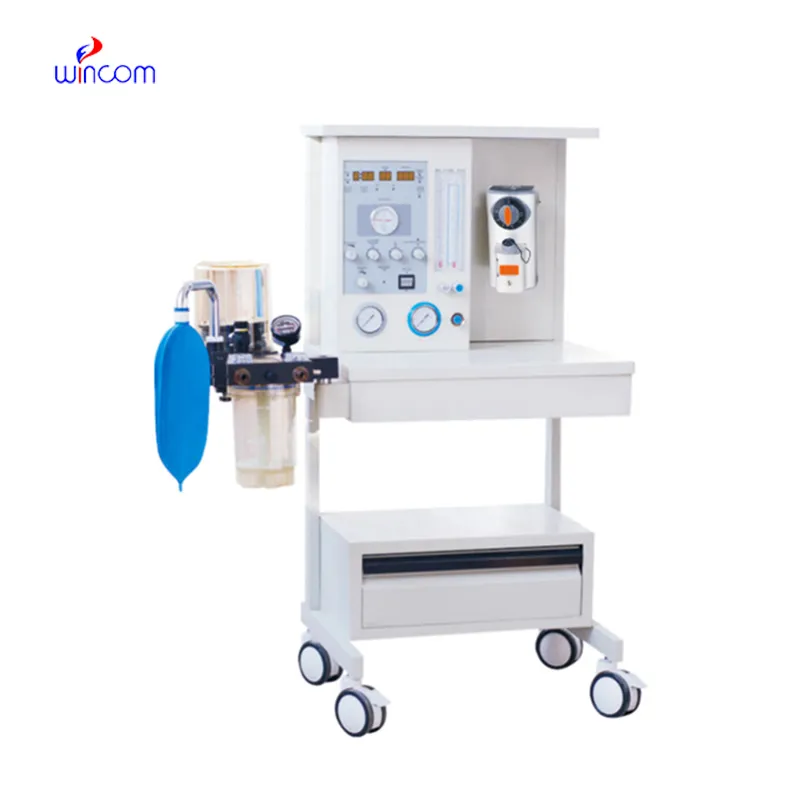
anesthesia machine for hospitals is a highly advanced piece of equipment used in surgery that controls the flow of anesthetic gases and at the same time ventilates the patient. It has the ability to monitor oxygen levels, breathing rate, and pressure in the airway in real time, which allows the anesthesiologists to adjust anything immediately. The device is so reliable that hospitals cannot do without it for both normal and dangerous operations. Mixing vaporizers, flow control systems, and safety alarms, the machine becomes a complete anesthesia management solution. Its versatility makes anesthesia machine for hospitals an ideal choice for operating rooms, emergency departments, and clinical labs that need accurate sedation control and continuous monitoring of the patient's condition.
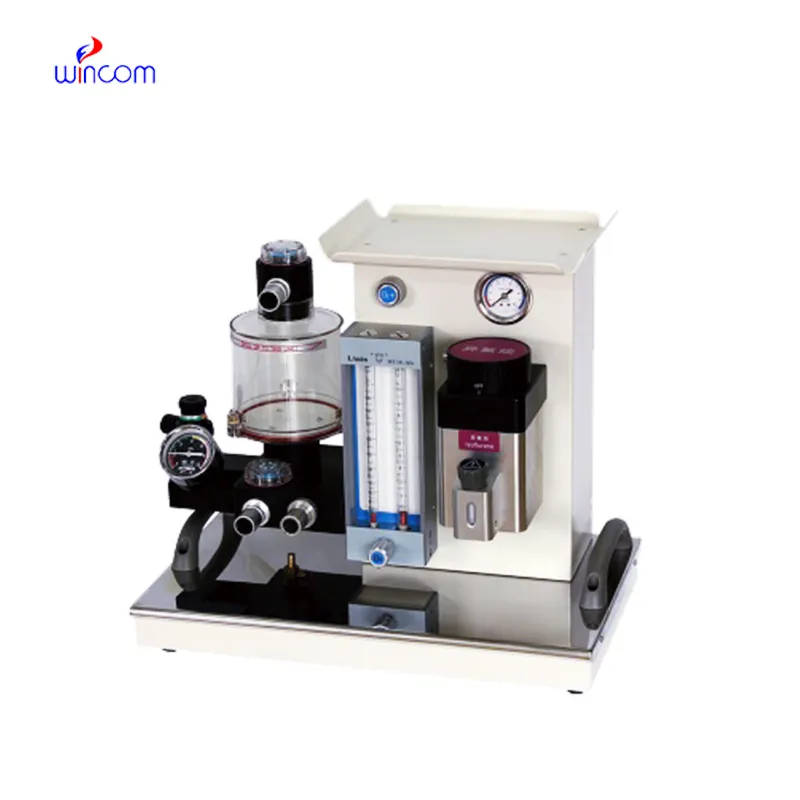
anesthesia machine for hospitals finds its place in diagnostic and interventional procedures where sedation is needed but not full surgical anesthesia. Imaging-guided interventions or endoscopic examinations usually require controlled sedation and also airway support. The equipment gives the practitioners the power to control the patient's respiration, at the same time keeping the anesthetic at the correct level. Its usage provides relief for the patient and also enhances the precision of the procedure. By enabling non-surgical medical methods, anesthesia machine for hospitals increases the area of anesthesia management from the operating room to different hospital wards.
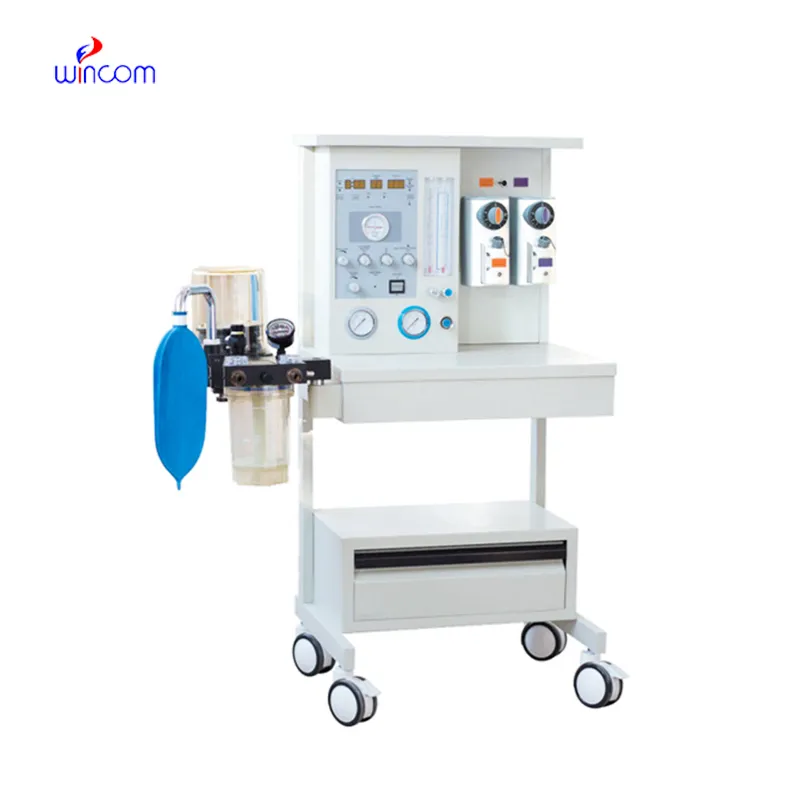
Future advancements in anesthesia machine for hospitals might have better user interfaces that can be user-friendly and save the time for training. Visual aids that are easy to understand and controls that are user-friendly can make it possible to have the same quality of use across different clinical teams. Those hospitals that constantly have new staff coming in and out or are using different medical specialists may find the new features of anesthesia machine for hospitals very helpful in dealing with the problems caused by the diversity of the staff. In focusing on the characteristics of the product that make it easier to use and more effective, anesthesia machine for hospitals will be able to provide support for the safe management of anesthesia even in situations where the healthcare workforce is changing.
Alarm and monitoring systems in anesthesia machine for hospitals need to undergo frequent verification. It is necessary to carry out the testing of audible and visual alerts to make sure that they are functional. These systems are essential to notify the healthcare providers regarding the patients' status changes. Making sure of trustworthy alarms is one way of protecting the patients during surgical and clinical procedures. Standard testing is one way to perpetuate trust in the alerting power of the device.
In pediatric and neonatal care, anesthesia machine for hospitals is the equipment that accurately provides the anesthesia adjusted to the small patients. The device's monitoring systems follow the most sensitive patterns of respiration and oxygen level, which give anesthesiologists the opportunity to do precise alterations. The safe and controlled administration of anesthetic gases is very important in these specialized hospital departments. By offering trustworthy monitoring and ventilation, anesthesia machine for hospitals keeps the patient stable during surgical procedures.
Q: What is the main function of an anesthesia machine? A: Controlled anesthetic gases are delivered and the patient is ventilated during medical procedures. Q: Where is the anesthesia machine frequently used? A: Hospitals mainly use it in their operating rooms, emergency units, and intensive care departments. Q: Who operates the anesthesia machine during surgery? A: Trained anesthesiologists or anesthesia technicians are responsible for operating the device. Q: Can the anesthesia machine assist the breathing of a patient? A: Yes, by providing mechanical ventilation support when spontaneous breathing is insufficient. Q: Does the device monitor respiratory parameters? A: It monitors airflow, pressure and oxygen concentration all through the delivery.
The hospital bed is well-designed and very practical. Patients find it comfortable, and nurses appreciate how simple it is to operate.
The delivery bed is well-designed and reliable. Our staff finds it simple to operate, and patients feel comfortable using it.
To protect the privacy of our buyers, only public service email domains like Gmail, Yahoo, and MSN will be displayed. Additionally, only a limited portion of the inquiry content will be shown.
We’re interested in your delivery bed for our maternity department. Please send detailed specifica...
Hello, I’m interested in your centrifuge models for laboratory use. Could you please send me more ...
E-mail: [email protected]
Tel: +86-731-84176622
+86-731-84136655
Address: Rm.1507,Xinsancheng Plaza. No.58, Renmin Road(E),Changsha,Hunan,China


 EN
 af
 es
 ar
 tr
 sw
 pt
 th
 ur
 bn
 ne
 vi
 km
 lo
 de
 ru
 fi
 nl
 fa
 fr
 ko