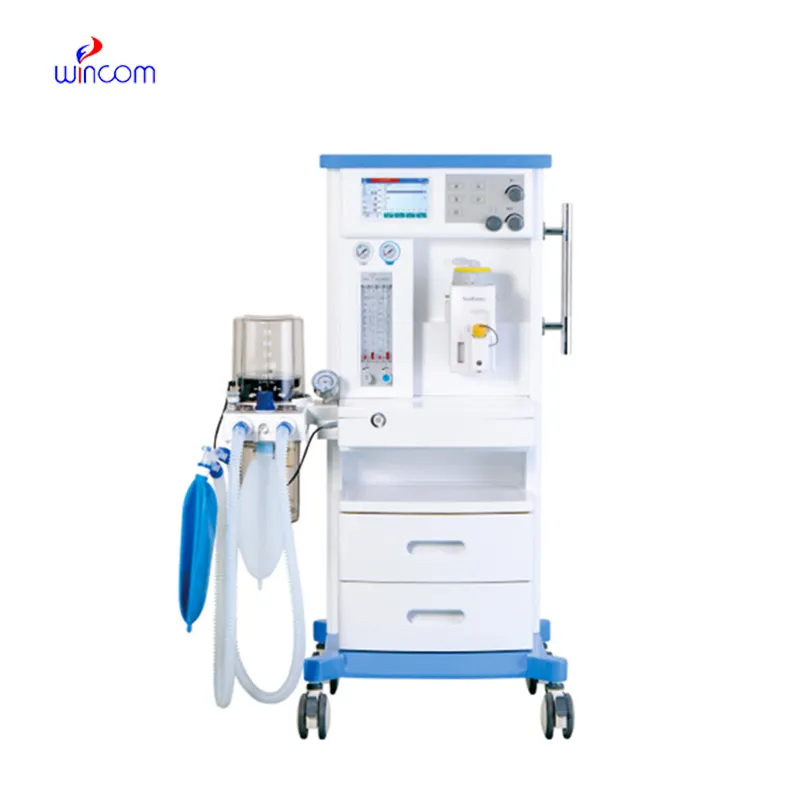
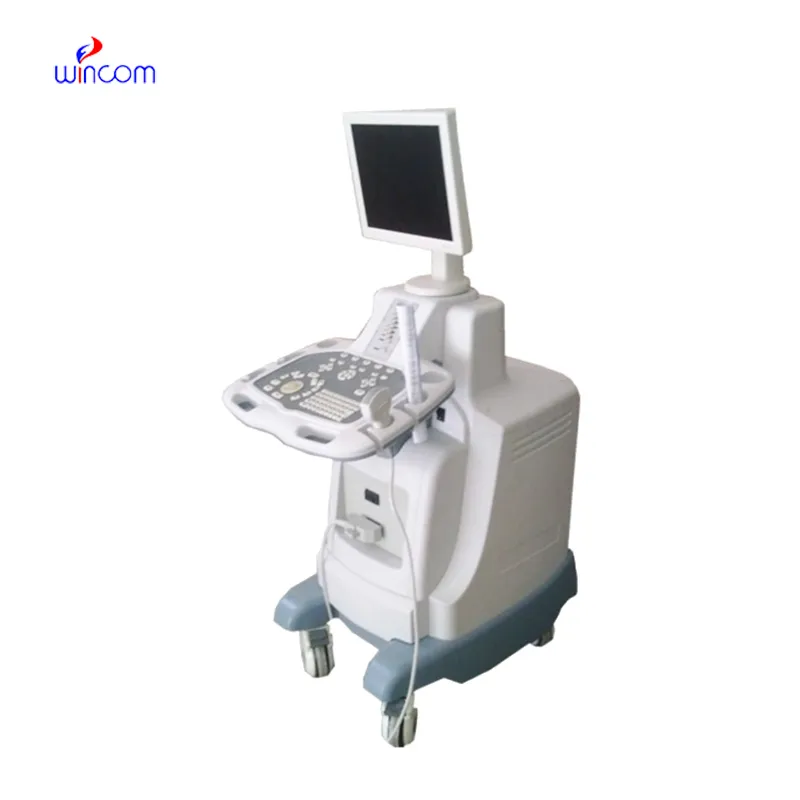
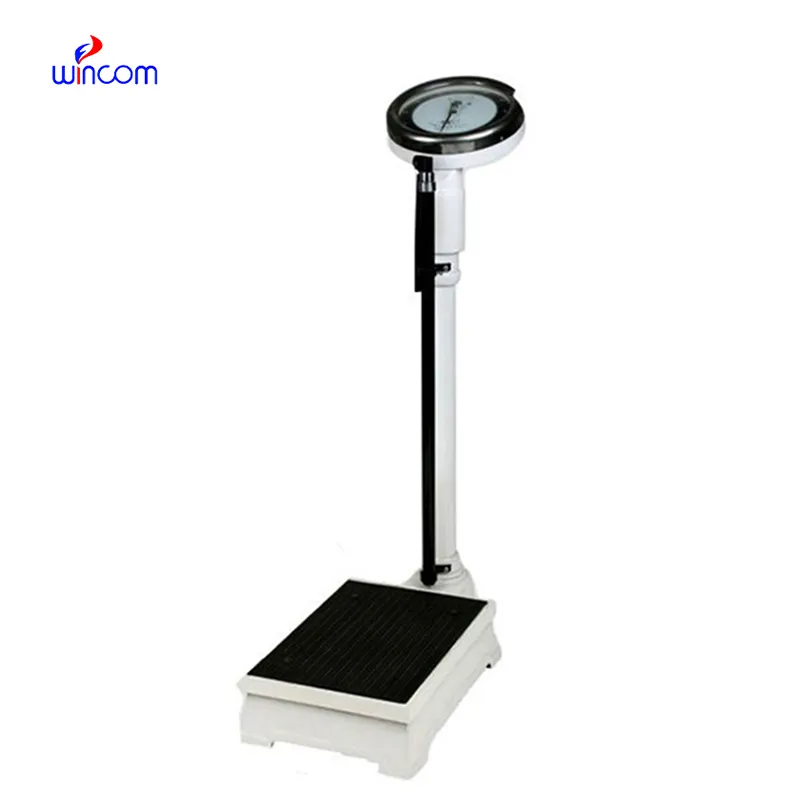
In a hospital environment, anesthesia machine for large animals acts as the primary tool for the delivery of regulated anesthesia with active patient monitoring. It constantly gives information about the state of sedation such as oxygen, respiration, and gas levels. Therefore, the anesthetist is still able to keep the patient safe during surgeries and other critical parts of the patient’s medical care through this device. The unification of the vaporizers, the flow meters, and safety systems results in performances that are always trustworthy in areas like operating rooms, post-op recovery, and medical research, therefore being a big help in the area of anesthesia-related incidents since they will occur less frequently due to the greater procedural consistency.
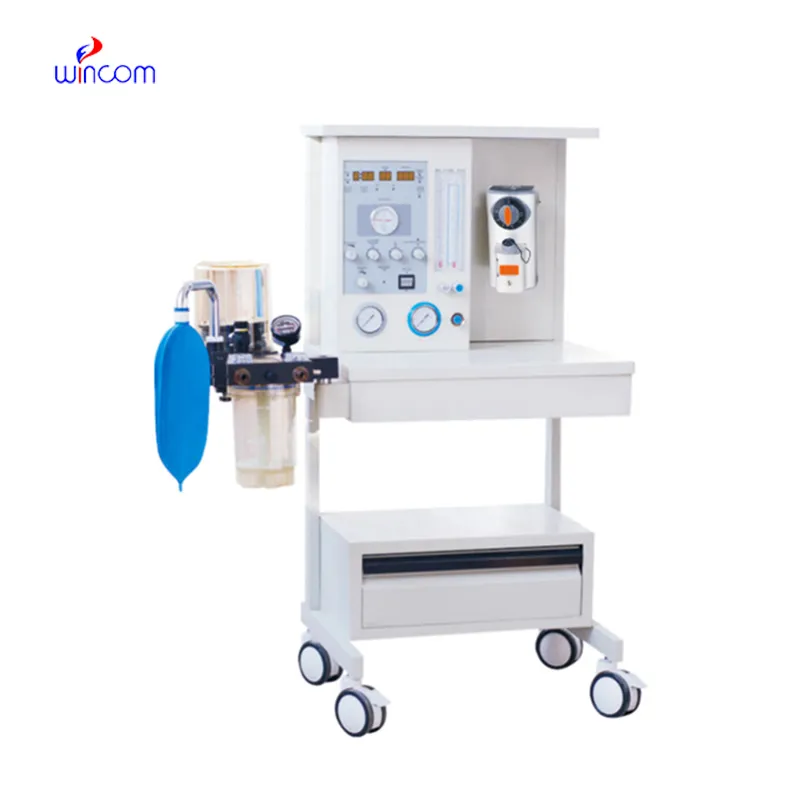
In anesthesia machine for large animals, the training tool is used in teaching hospitals for anesthesia education purposes. Medical students and residents get to learn anesthesia methods by looking at gas delivery systems, watching different ventilation modes, and monitoring indicators. The device provides both simulated and supervised clinical practice, and it lets the trainees grasp the real patient responses in the controlled conditions. So, by combining practical training with constant monitoring, anesthesia machine for large animals not only helps to the professional growth in the hospital education system but also enhances the clinical skills in anesthesia management area.
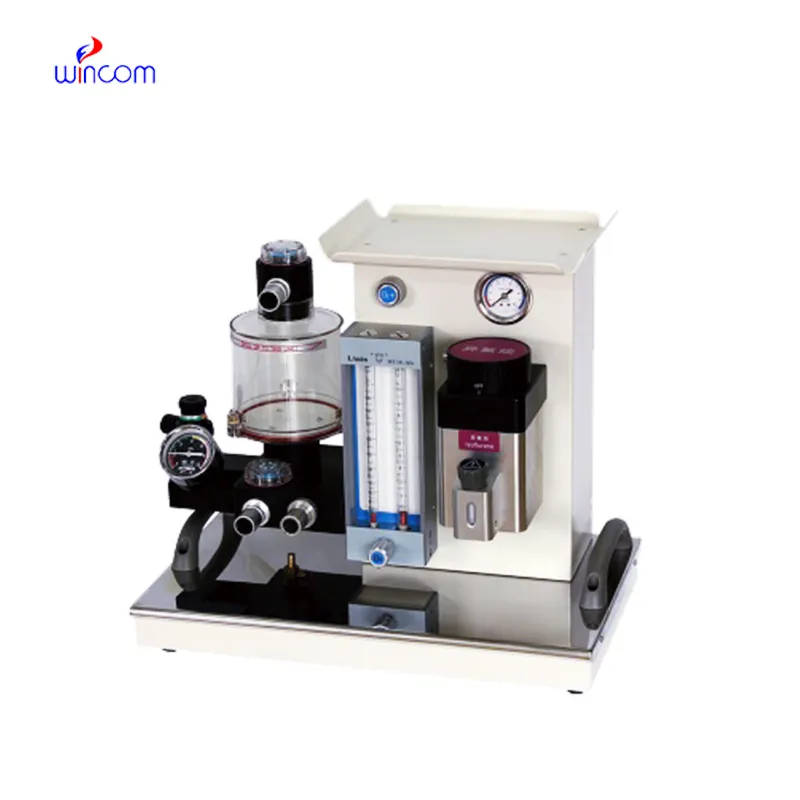
In the future, anesthesia machine for large animals will very probably add the features of ventilation that are more automated and suited to patients' breathing habits. Smart algorithms could help the doctors by changing the settings of ventilation according to the constant feedback. This development could lessen the need for human control in long operations without losing the accuracy of respiratory control. The same consistency in anesthesia delivery could be achieved in hospitals and laboratories doing research. These advancements are characteristic of the new medical environments where the anesthesia equipment will be more adaptive and responsive.
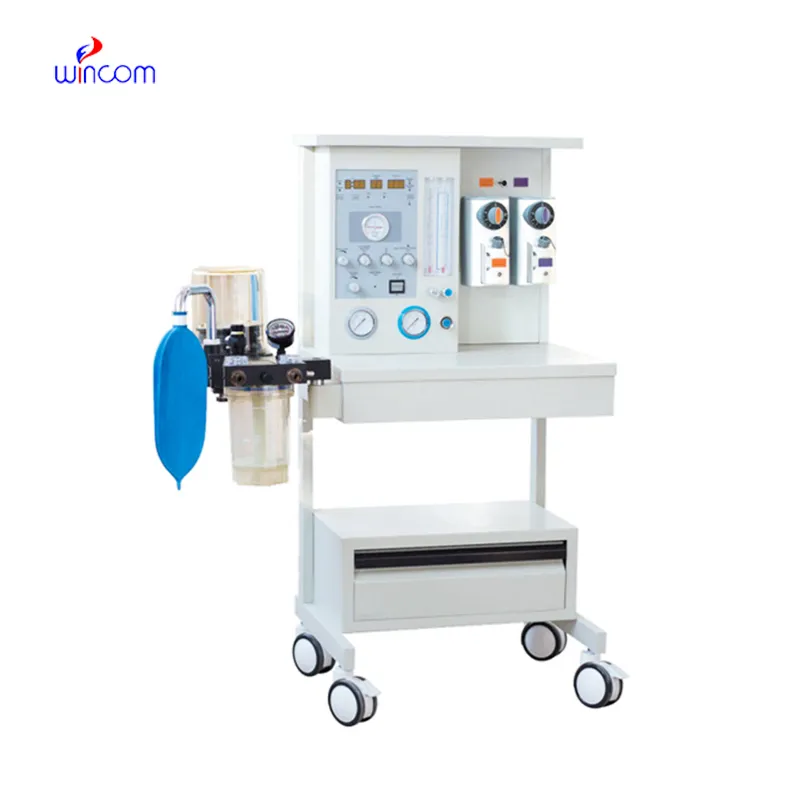
The proper care of anesthesia machine for large animals starts with weekly inspection before and after daily clinical use. The gas pipelines, connectors, and flow meters should be checked by the hospital staff to make sure they are working correctly. Cleaning and replacing of breathing circuits and masks should be done according to infection control protocols. Regular calibration of monitoring components is a way to always have accurate readings. In high-traffic operating rooms, stable maintenance schedules cut down on sudden breaks. Hospitals can prolong the lifespan of anesthesia machine for large animals and keep anesthesia delivery reliable by using inspection schedules that are structured.
anesthesia machine for large animals is a crucial medical device in the operating room that supplies anesthesia controlled for patients during surgical operations. It unites accurate gas flow regulation with patient respiration and monitoring plus oxygen levels. In a hospital setting, this equipment guarantees patient safety while keeping the necessary sedation. By connecting ventilation support, vaporizer controls, and monitoring systems, anesthesia machine for large animals makes it possible for anesthesiologists to practice patient care easily and gives trustworthy performance in all surgical, emergency, and laboratory environments where precision in anesthesia delivery is of utmost importance.
Q: What gases does the Anesthesia Machine make use of? A: The regular gases are oxygen, nitrous oxide, and volatile anesthetic agents. Q: Is the Anesthesia Machine suitable for long surgeries? A: Yes, it was designed to maintain stable anesthesia throughout long operations. Q: Under machine control how does the anesthesia concentration occur? A: The vaporizers dispense a precisely-measured amount of anesthetic gas to the patient. Q: Could the machine be used for pediatric patients? A: Yes, but only if the settings are modified by the experienced medical personnel. Q: Is there a built-in alarm system for the machine? A: Yes, alarms are present to alert the staff to changes in pressure, gas flow, or oxygen levels.
The delivery bed is well-designed and reliable. Our staff finds it simple to operate, and patients feel comfortable using it.
The microscope delivers incredibly sharp images and precise focusing. It’s perfect for both professional lab work and educational use.
To protect the privacy of our buyers, only public service email domains like Gmail, Yahoo, and MSN will be displayed. Additionally, only a limited portion of the inquiry content will be shown.
We’re interested in your delivery bed for our maternity department. Please send detailed specifica...
We’re currently sourcing an ultrasound scanner for hospital use. Please send product specification...
E-mail: [email protected]
Tel: +86-731-84176622
+86-731-84136655
Address: Rm.1507,Xinsancheng Plaza. No.58, Renmin Road(E),Changsha,Hunan,China


 EN
 af
 es
 ar
 tr
 sw
 pt
 th
 ur
 bn
 ne
 vi
 km
 lo
 de
 ru
 fi
 nl
 fa
 fr
 ko