In the operating rooms and laboratory hospitals, anesthesia machines does an all-in-one job of anesthesia management with the help of gas delivery, ventilation, and monitoring systems. It gives a constant eye on the respiratory function, oxygen levels, and airway pressures. The machine guarantees the patient's sedation stability during difficult operations. With safety alarms, vaporizers, and gas flow controls that can be adjusted, anesthesia machines lets the anesthesiologists do real-time modifications, thereby assuring accuracy and reliability. Its multifunctionality and exactness offer it to be used for both the daily surgical operations and the labs that needed special conditions for anesthesia to be studied and, thus, controlled.
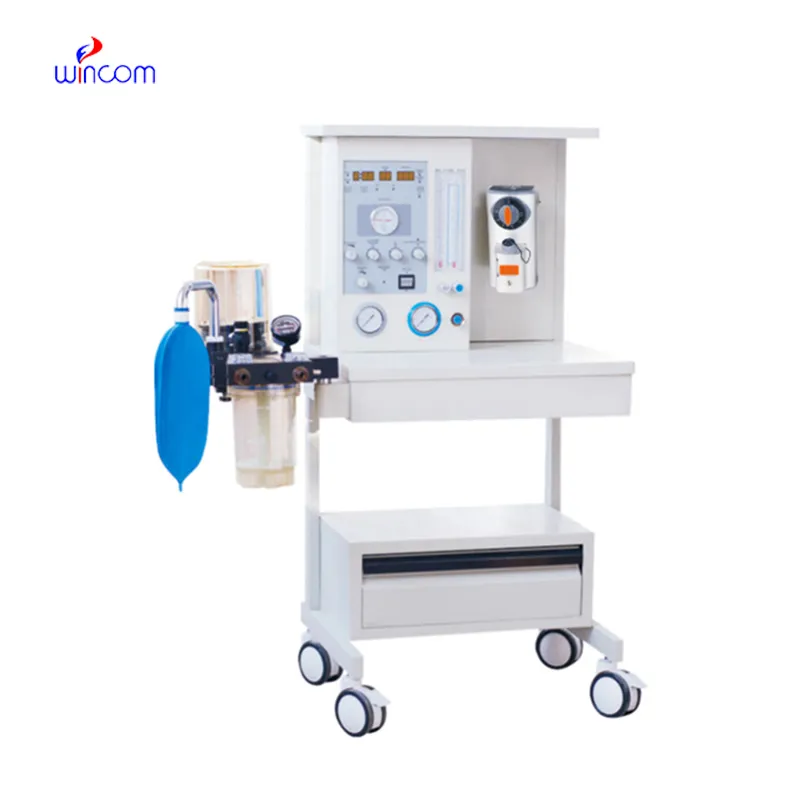
anesthesia machines is a commonly used device in hospital operation theaters that supports both general and regional anesthesia during surgeries. It provides a mixture of oxygen and anesthetic chemicals in a controlled way and at the same time, the patient ventilation is assisted or completely managed. Surgeons and anesthesiologists depend on its steady performance to keep the anesthesia depth constant through long surgeries. The machine is also utilized in less invasive surgeries, where exact respiratory control is a must to steer clear of difficulties. By enabling constant monitoring and gas regulation, anesthesia machines is an important factor in the patient being stable in the sophisticated hospital setting.
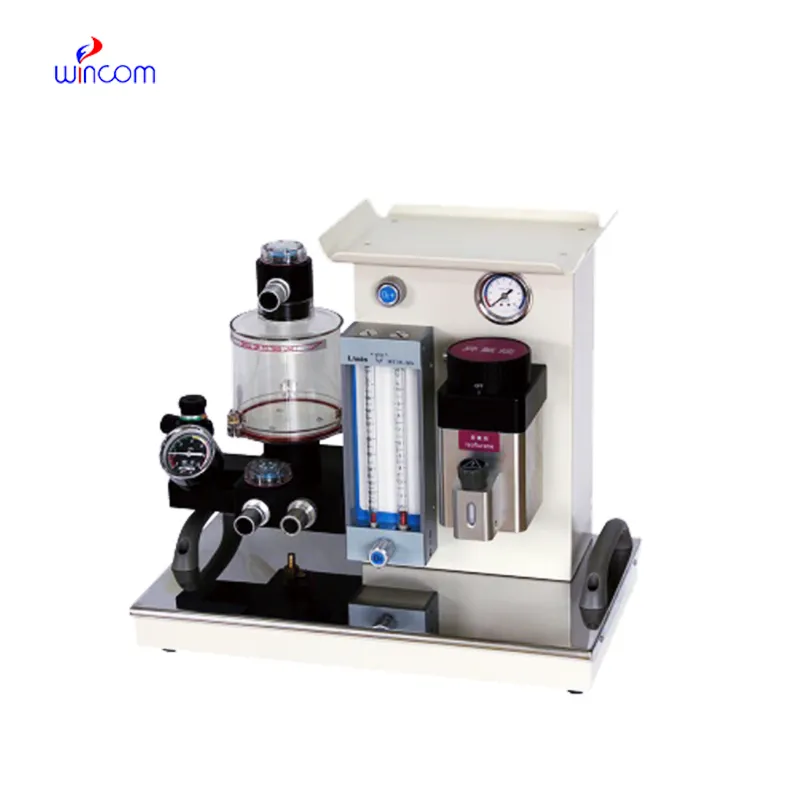
In the future, anesthesia machines will very probably add the features of ventilation that are more automated and suited to patients' breathing habits. Smart algorithms could help the doctors by changing the settings of ventilation according to the constant feedback. This development could lessen the need for human control in long operations without losing the accuracy of respiratory control. The same consistency in anesthesia delivery could be achieved in hospitals and laboratories doing research. These advancements are characteristic of the new medical environments where the anesthesia equipment will be more adaptive and responsive.
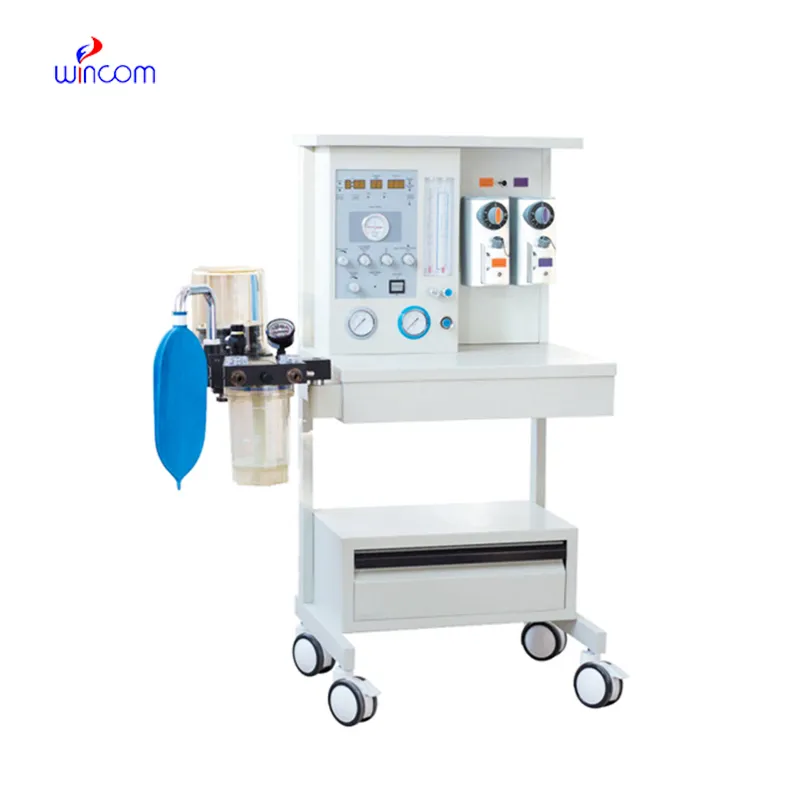
It is vital to have a long-term maintenance plan for controlling anesthesia machines in the various hospital departments. The schedules of preventive maintenance allow for predicting replacement of the components even before their performance drops. The alliance between the clinicians and the technicians guarantees that service is provided at the right time. This systematic method enables uninterrupted use of anesthesia machines. Through the preventive maintenance approach, the hospitals are always ready to operate and, at the same time, they are taking care of their investment in the medical devices that are most critical.
anesthesia machines are the key factor in anesthesia management of surgical and critical care units. It offers ventilatory support, delivery of O2, and control of anesthetic gases automatically which together make the process of sedating very reliable.surgeries. It is the device's accuracy that hospitals rely on to keep the patients in a stable condition throughout the procedure. Furthermore, the device’s built-in monitoring functions such as pressure sensors and flow meters, give anesthesiologists the power to adapt the settings based on the real-time physiological data thus making patient care and safety consistent.
Q: How frequently should Anesthesia Machine be checked? A: The machine should be routine checked before daily use and also during the scheduled maintenance cycles. Q: Is the Anesthesia Machine movable within a hospital? A: There are lots of models available that are specifically designed with wheels that allow easy movement between the departments. Q: Can it be connected with hospital monitoring systems? A: There are some models that are designed for the connection with central monitoring and data systems. Q: What is the procedure when the oxygen supply is cut off? A: The safety mechanisms will alert the clinicians and will also help in keeping the patient protected. Q: Is the use of this equipment limited to specially trained personnel only? A: Definitely, only properly trained personnel will be able to use the machine safely and efficiently.
We’ve been using this mri machine for several months, and the image clarity is excellent. It’s reliable and easy for our team to operate.
The centrifuge operates quietly and efficiently. It’s compact but surprisingly powerful, making it perfect for daily lab use.
To protect the privacy of our buyers, only public service email domains like Gmail, Yahoo, and MSN will be displayed. Additionally, only a limited portion of the inquiry content will be shown.
We are planning to upgrade our imaging department and would like more information on your mri machin...
We’re looking for a reliable centrifuge for clinical testing. Can you share the technical specific...
E-mail: [email protected]
Tel: +86-731-84176622
+86-731-84136655
Address: Rm.1507,Xinsancheng Plaza. No.58, Renmin Road(E),Changsha,Hunan,China


 EN
EN
 af
af
 es
es
 ar
ar
 tr
tr
 sw
sw
 pt
pt
 th
th
 ur
ur
 bn
bn
 ne
ne
 vi
vi
 km
km
 lo
lo
 de
de
 ru
ru
 fi
fi
 nl
nl
 fa
fa
 fr
fr
 ko
ko