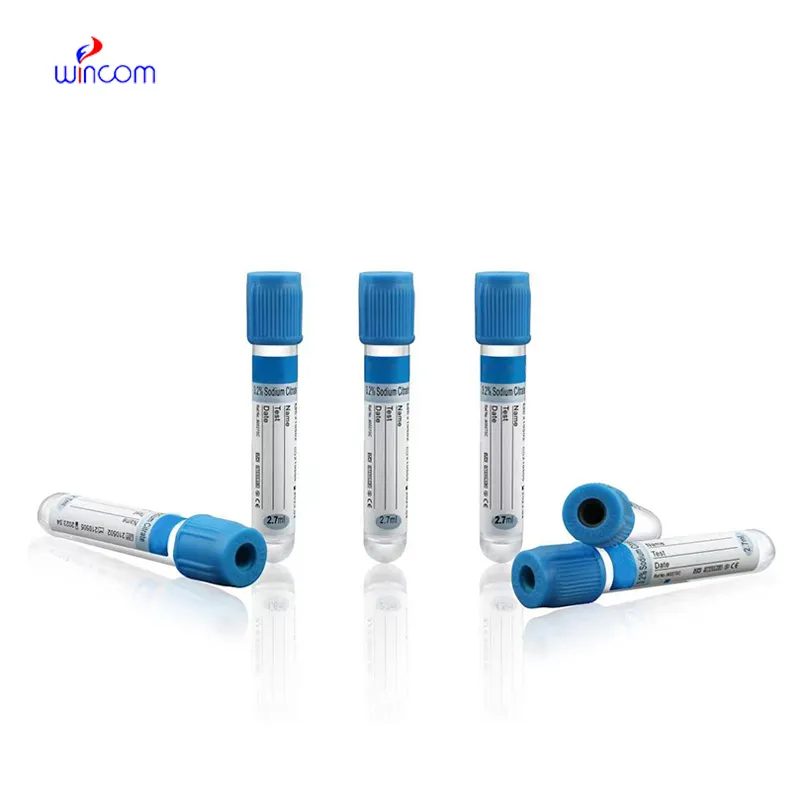
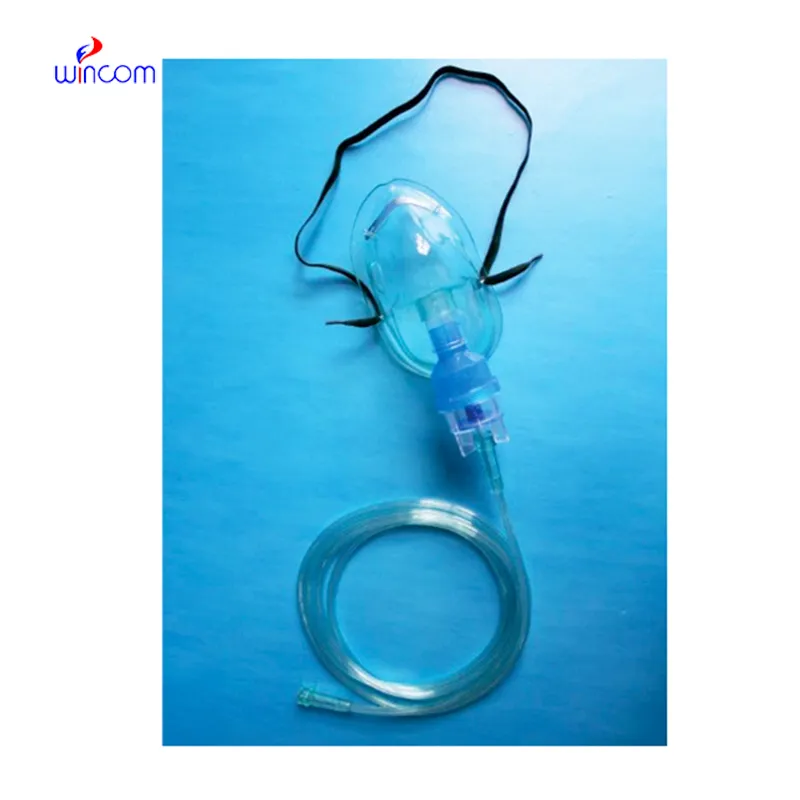
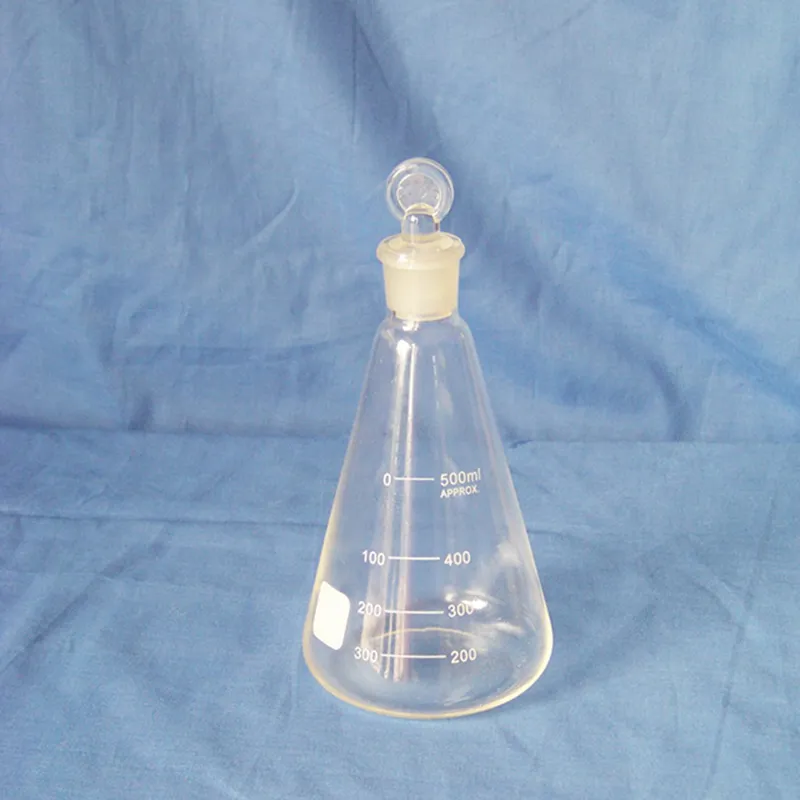
In hospitals and medical research facilities, china plastic capillary tubes for blood collection have become a global standard for blood sampling and transport. The production of the tubes takes place under very stringent quality controls which guarantee sterility and chemical uniformity. They are employed by hospitals for a variety of diagnostic tests, such as screening for infectious diseases, performing hormone panels and routine blood counts. Their pre-filled additives allow for the prevention of clotting or degradation of components, thus maintaining the integrity of each sample. The communication with laboratory machines like centrifuges and analyzers makes the workflow smoother. The use of china plastic capillary tubes for blood collection in different medical areas not only minimizes the chances of mistakes but also improves the safety of patients and ultimately leads to the provision of accurate test results in both hospital and research environments.
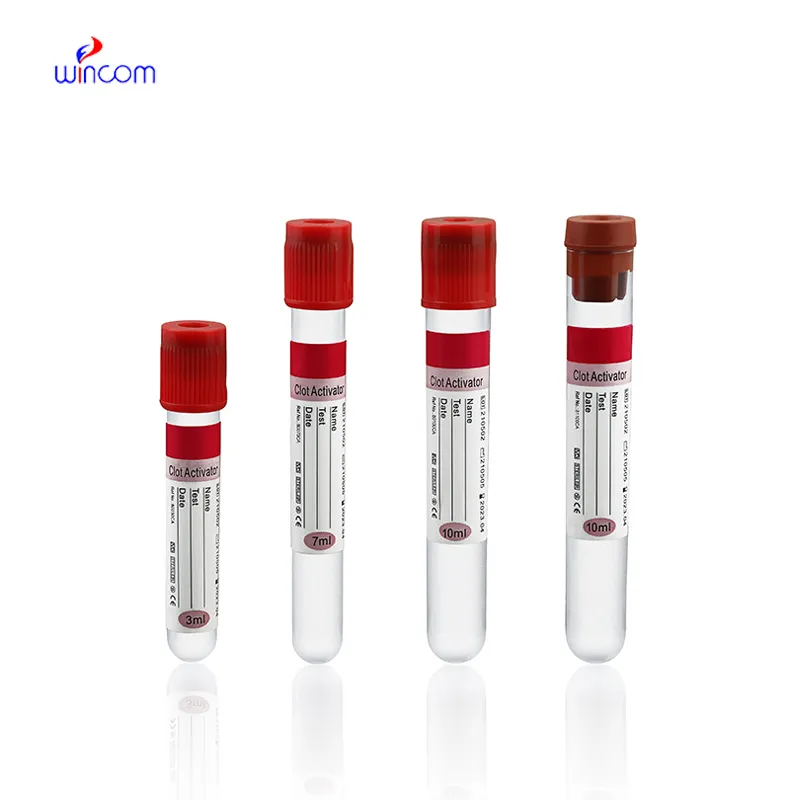
Infectious disease units utilize china plastic capillary tubes for blood collection to obtain blood for detection of pathogens, serology, and molecular diagnostics. Their sterile construction along with chemical additives help in the stabilization of samples for the testing process thus giving accurate results. Hospital personnel place colored caps on the tubes according to a code indicating the assays to which the tubes are assigned, thus facilitating prompt processing and lessening the risk of contamination. Tubes are compatible with automated analyzers which makes them a part of the efficient workflow in high-demand environments. The use of china plastic capillary tubes for blood collection in these units allows healthcare facilities to keep a constant and prompt detection of infections thus providing a better patient safety and support in the infection control protocols as well.
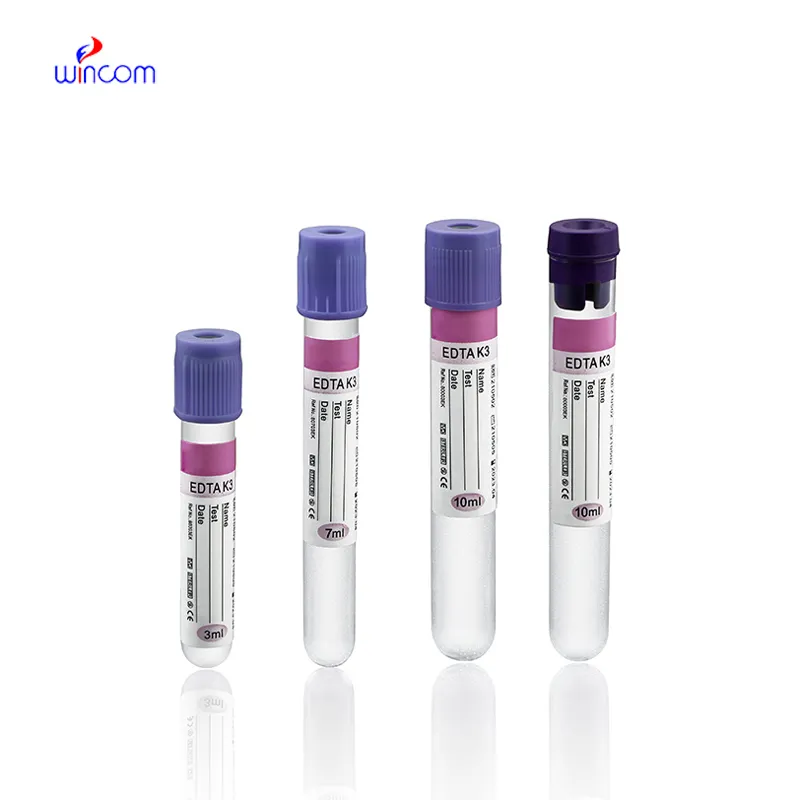
The future of china plastic capillary tubes for blood collection might put a stronger focus on environmental sustainability besides clinical performance. The hospitals might use tubes manufactured from recyclable or biodegradable elements that allow for no compromise on sterility or chemical stability. Furthermore, the smart designs with integrated tracking, additive optimization, and automated analyzer compatibility will facilitate laboratory work a lot more. Through the synergy of eco-friendly construction and technological enhancements, the upcoming china plastic capillary tubes for blood collection will not only comply with regulatory requirements but also lower laboratory waste and continue to deliver precise and trustworthy sample processing for both routine diagnostic and advanced hospital research applications.

The care procedures for china plastic capillary tubes for blood collection focus on hygiene and expert handling of the samples in clinical environments. To avoid contamination, tubes must be taken out of their packaging only at the time of use. The laboratory personnel should ensure that the boxes containing the tubes are not subjected to the weight of heavy objects on top to avoid deformation. Areas for storage need to be controlled so that there is no excessive vibration or humidity. Staff in the hospital are trained to check the tubes by looking for cracks, color changes, or broken seals before the tubes are used. Following these methods aids the process of keeping samples unaltered and, consequently also lab analysis being accurate in the different hospital departments.
china plastic capillary tubes for blood collection are typically employed for blood collection in a matter of seconds in emergency rooms and ICU. The different colors of their caps are a sign of what kind of additive is present inside, thus making it easier for the doctors to choose the right tube for tests such as coagulation, blood chemistry, or infectious disease markers, etc. Also, these tubes can be used with vacuum-based systems for blood draw, thus providing safe and efficient collection even in hard situations. The accurate labeling and proper handling of china plastic capillary tubes for blood collection greatly reduce the chance of mix-ups between samples and make it possible to trace them back, thereby supporting the timely diagnostic decisions which are very important for urgent patient care in high-pressure hospital environments.
Q: What additives are found in Blood Collection Tubes? A: Additives may include anticoagulants, clot activators, or gel separators depending on test requirements. Q: How do Blood Collection Tubes support accurate testing? A: They preserve blood components and prevent degradation during transport and processing. Q: Are Blood Collection Tubes compatible with automated analyzers? A: Yes, most tubes are designed to work with modern laboratory automation systems. Q: Why is proper tube selection important in hospitals? A: Using the correct tube ensures reliable test results and reduces pre-analytical errors. Q: Do Blood Collection Tubes have expiration dates? A: Yes, expiration dates ensure additives remain effective and safe for use.
This ultrasound scanner has truly improved our workflow. The image resolution and portability make it a great addition to our clinic.
I’ve used several microscopes before, but this one stands out for its sturdy design and smooth magnification control.
To protect the privacy of our buyers, only public service email domains like Gmail, Yahoo, and MSN will be displayed. Additionally, only a limited portion of the inquiry content will be shown.
Could you please provide more information about your microscope range? I’d like to know the magnif...
We’re interested in your delivery bed for our maternity department. Please send detailed specifica...
E-mail: [email protected]
Tel: +86-731-84176622
+86-731-84136655
Address: Rm.1507,Xinsancheng Plaza. No.58, Renmin Road(E),Changsha,Hunan,China


 EN
 af
 es
 ar
 tr
 sw
 pt
 th
 ur
 bn
 ne
 vi
 km
 lo
 de
 ru
 fi
 nl
 fa
 fr
 ko