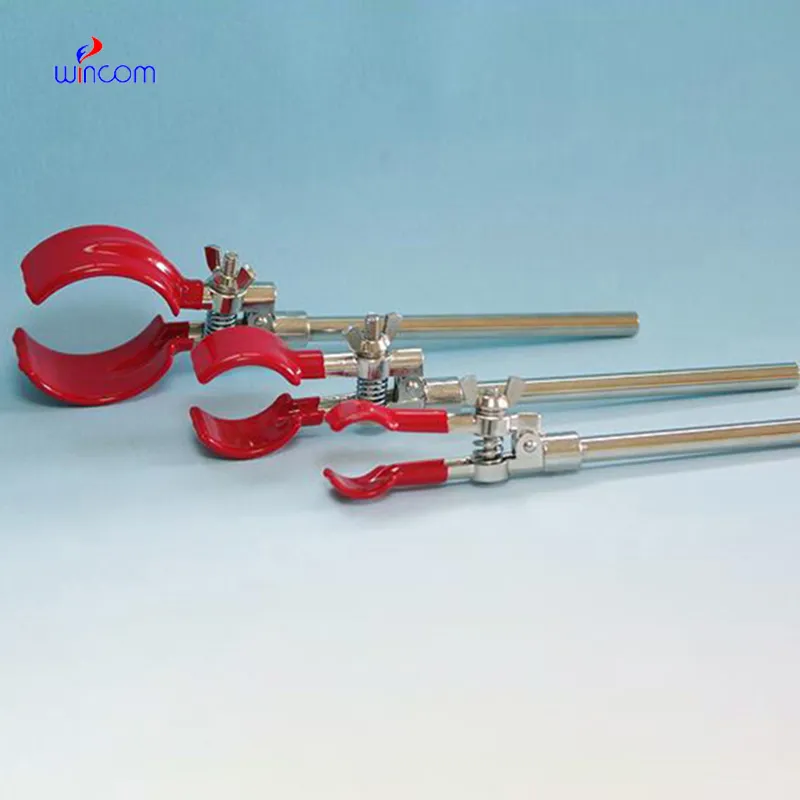
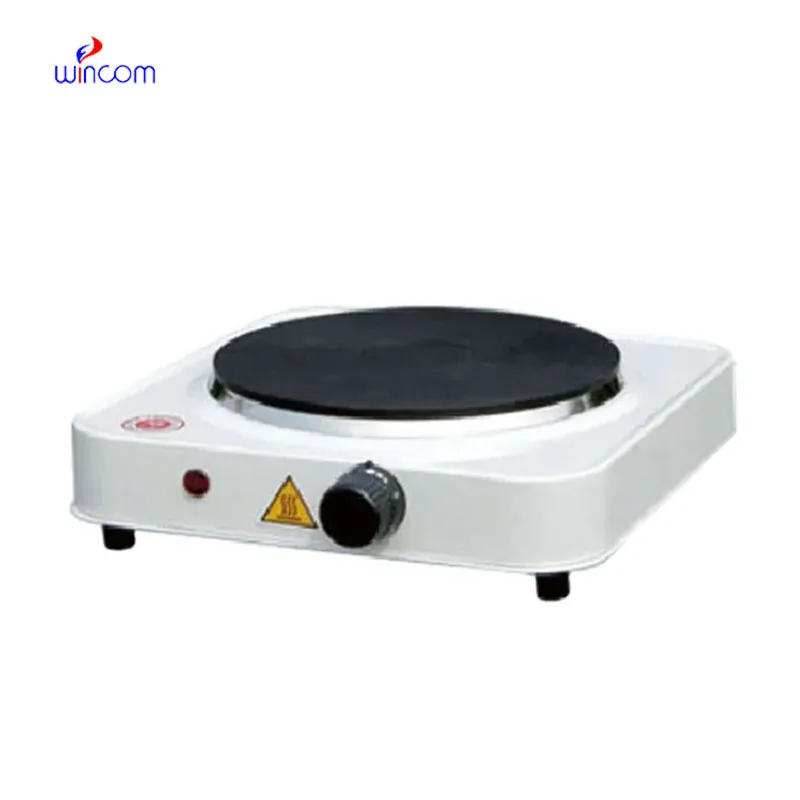
Made for the laboratory environment where accuracy is needed, the circulating water bath ensures effective temperature maintenance and smooth heat exchange. Its intelligent control panel makes easy programming of settings and real-time temperature monitoring possible. The inner compartment, made of top-quality stainless steel, withstands corrosion and chemical stains. The circulating water bath is quiet, energy-conserving, and constant in performance regardless of continuous operation. Its built-in protection features avoid overheat and guarantee the safety of the user. Simple to maintain and energy efficient, the circulating water bath enhances laboratory productivity and experimental reproducibility.
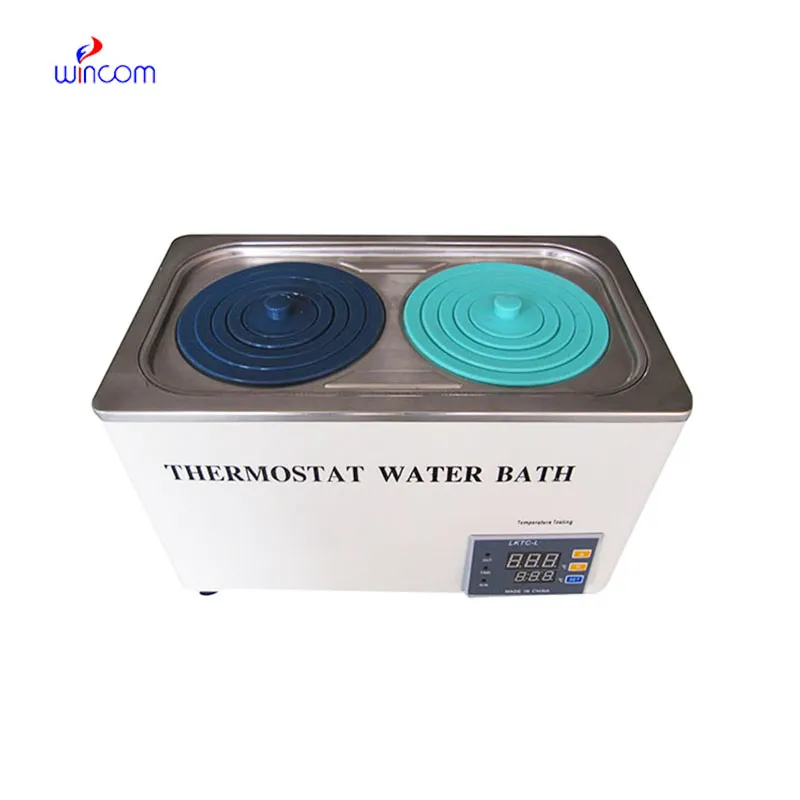
The circulating water bath provides a uniform platform to warm chemical and biological samples. At the academic level, it is used to instruct experimental approaches based on temperature control. In medical and chemical research labs, the circulating water bath provides uniform heat for reactions with uniform incubation. The circulating water bath can be utilized to dissolve molecules, evaluate the stability of products, and conduct thermal studies. With steady heat uniformity, the circulating water bath enhances quantitative and qualitative analysis precision and serves different laboratory applications for widespread research fields.

Future technology of circulating water bath will be aimed at automation, digital precision, and sustainability. Artificial intelligence system with integration will predict the optimal heating parameters for different applications. Smart sensors will provide real-time temperature balance, and data connectivity will link the circulating water bath to universal laboratory management systems. Additional progress in insulation and material efficiency will conserve power. Future circulating water bath will provide scientists with improved control, increased reproducibility, and improved operation safety in every laboratory environment.

Keeping the circulating water bath in good condition enhances efficiency and safety. The users must periodically clean the inner chamber to remove mineral residues or deposits. Clean with distilled or pure water to prevent buildup and allow faultless function. Regularly check temperature calibration for accuracy consistency. Never fill the bath over capacity and make sure the lid seal is not damaged. Keep the circulating water bath drained, dry, and in a dustless area when they are not being used to prevent corrosion and contamination.
The circulating water bath is a must-have equipment in modern labs for being able to provide consistent temperature conditions. It simply heats water to a certain degree, allowing samples to be kept at consistent warmth when incubating or analyzing them. The circulating water bath can minimize temperature fluctuations that could affect experimental results. The majority of the models incorporate digital controllers and safety alarms that assist in preventing overheating. Its simplicity in design renders the circulating water bath universally usable in a wide range of laboratory applications.
Q: What temperature range can a laboratory water bath typically achieve? A: Most laboratory water baths operate between ambient temperature and approximately 100°C, allowing precise control for a variety of experiments. Q: How does a water bath ensure even heating across samples? A: The circulation of water, either by convection or a built-in stirrer, ensures uniform temperature distribution throughout the chamber. Q: Why should a water bath be calibrated regularly? A: Regular calibration ensures temperature accuracy, preventing errors that could affect the results of sensitive laboratory processes. Q: What materials are commonly used in constructing a water bath? A: High-quality stainless steel is typically used for the inner chamber to resist corrosion and ensure durability under continuous heating. Q: How can overheating be prevented when using a water bath? A: Many modern units feature automatic temperature cutoffs and alarms that activate if the set temperature exceeds safe limits.
We’ve used this centrifuge for several months now, and it has performed consistently well. The speed control and balance are excellent.
I’ve used several microscopes before, but this one stands out for its sturdy design and smooth magnification control.
To protect the privacy of our buyers, only public service email domains like Gmail, Yahoo, and MSN will be displayed. Additionally, only a limited portion of the inquiry content will be shown.
I’m looking to purchase several microscopes for a research lab. Please let me know the price list ...
We are planning to upgrade our imaging department and would like more information on your mri machin...
E-mail: [email protected]
Tel: +86-731-84176622
+86-731-84136655
Address: Rm.1507,Xinsancheng Plaza. No.58, Renmin Road(E),Changsha,Hunan,China


 EN
 af
 es
 ar
 tr
 sw
 pt
 th
 ur
 bn
 ne
 vi
 km
 lo
 de
 ru
 fi
 nl
 fa
 fr
 ko