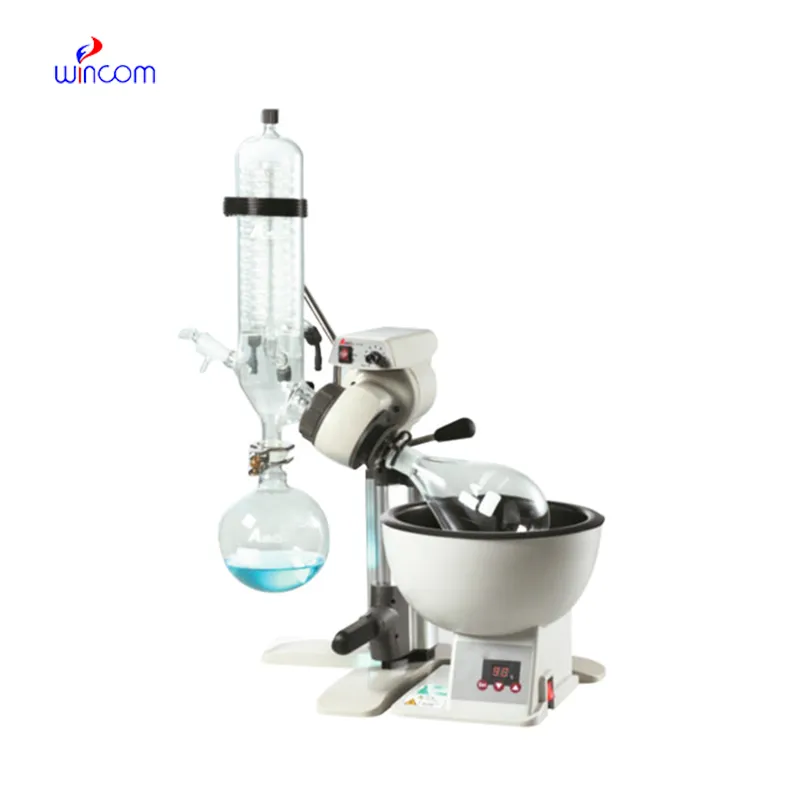
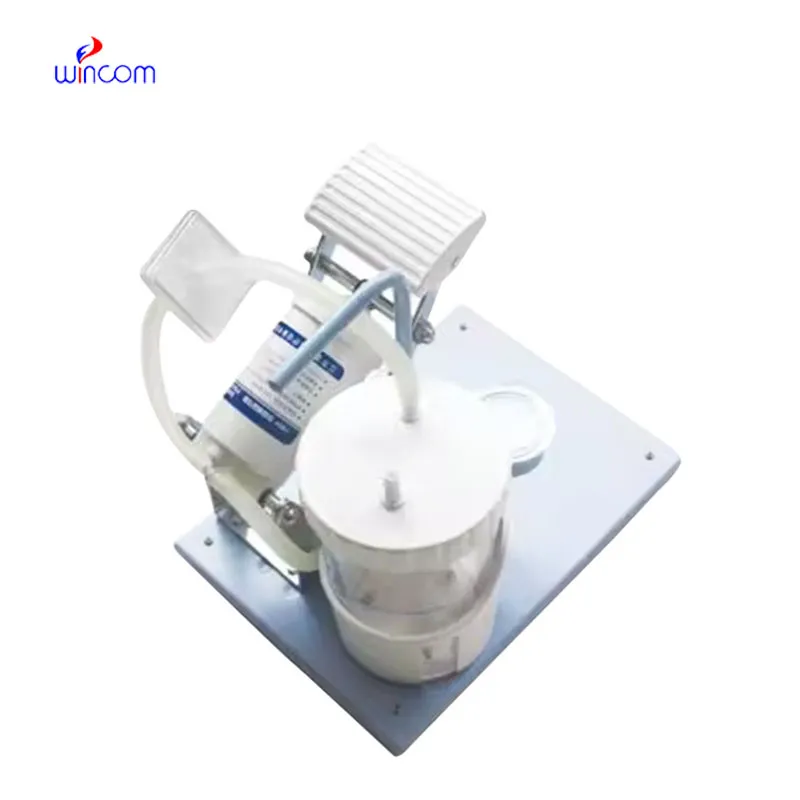
Designed to supply uniform and accurate heating, the low temperature circulating water bath is noted for its rugged build and simple controls. Temperature is variable in small steps and maintained constant through a sophisticated microprocessor-operated system. The stainless-steel enclosure resists corrosion and distributes heat evenly. The low temperature circulating water bath is equipped with automatic temperature recovery and low-water protection for added security. With its sleek exterior, noiseless running, and power conservation, it fits into any laboratory setup. The low temperature circulating water bath makes certain that there is consistent performance during critical experimental procedures.
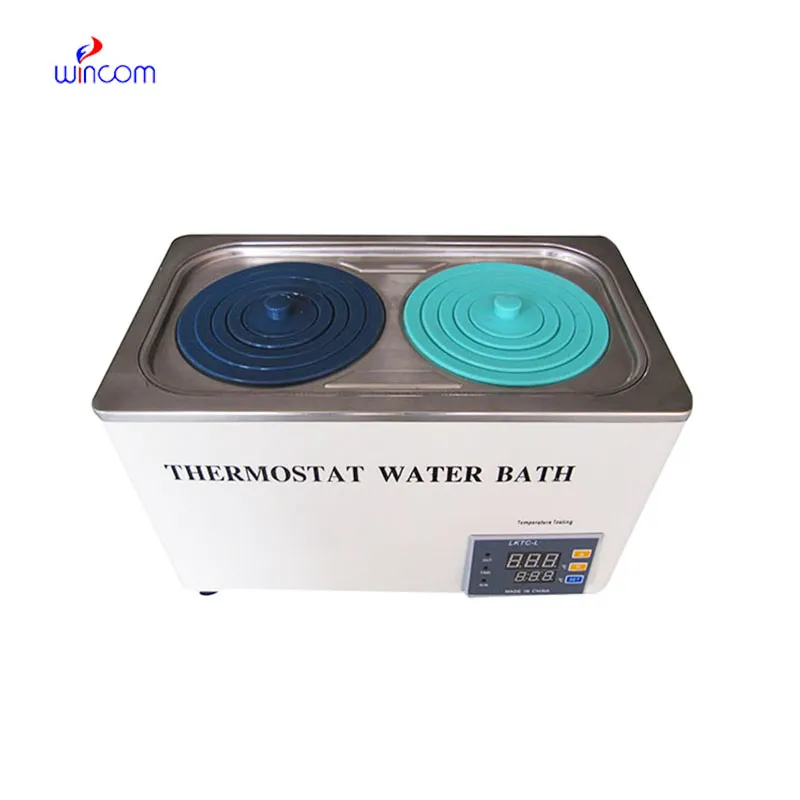
The low temperature circulating water bath is a necessary instrument for temperature-sensitive procedures. In molecular biology, it supports enzyme reactions such as PCR preparation and DNA extraction. It is also widely employed in protein denaturation, tissue incubation, and thawing of samples. The low temperature circulating water bath facilitates uniform heating, which is necessary when handling biological materials with stable requirements. Applied in industrial research for viscosity measurement and material analysis, its versatility makes the low temperature circulating water bath apply in both research and production settings requiring precise temperature control.

The future for the low temperature circulating water bath is more precision and more automation. Future models will incorporate improved digital control systems through the advancement in sensor technology, providing even more precise temperature performance. The low temperature circulating water bath will be integrated into smart laboratory networks to permit remote monitoring and data logging through cloud-based systems. The low temperature circulating water bath will also include eco-friendly materials and energy-saving heating systems. Though labs themselves are rapidly becoming more advanced, the future generation of the low temperature circulating water bath will emphasize flexibility, end-user safety, and integration transparency with current research pipelines.

The low temperature circulating water bath will perform optimally and endure with good maintenance. Check the water level constantly to avoid overheating and destruction of internal parts. Regular draining and chamber cleaning will avoid deposits or contamination. Use of distilled water avoids residue build-up. The exterior and control panel can be wiped using a soft, damp cloth. Regular inspection of heating elements and temperature sensors ensures efficient operation with accuracy. Store the low temperature circulating water bath in a dry environment and it enhances its longevity.
A low temperature circulating water bath is a precision heating equipment designed for laboratory purposes where constant temperature conditions are required. Typically used for sample incubation, substance melting, or induction of biochemical reactions, the low temperature circulating water bath combines accurate temperature control with efficient water flow for even heat distribution. Its digital display and safety cut-off features enhance operating reliability. Rugged and easy to maintain, the low temperature circulating water bath is a basic laboratory equipment in different scientific disciplines.
Q: What types of laboratory work benefit from using a water bath? A: Water baths are used in microbiology, chemistry, and biotechnology for incubating samples, warming reagents, and melting substances safely. Q: How can contamination be prevented inside a water bath? A: Cleaning the tank regularly, using distilled water, and covering the bath when not in use can significantly reduce contamination risk. Q: Is it safe to leave a water bath running overnight? A: It is generally safe for models with over-temperature protection, but regular supervision and adherence to manufacturer guidelines are strongly advised. Q: What causes uneven heating in a water bath? A: Uneven heating may result from improper circulation, incorrect water level, or malfunctioning heating elements. Q: Why is it important to monitor the water level in a bath? A: Maintaining an adequate water level prevents damage to heating elements and ensures consistent thermal contact with the samples.
The microscope delivers incredibly sharp images and precise focusing. It’s perfect for both professional lab work and educational use.
We’ve been using this mri machine for several months, and the image clarity is excellent. It’s reliable and easy for our team to operate.
To protect the privacy of our buyers, only public service email domains like Gmail, Yahoo, and MSN will be displayed. Additionally, only a limited portion of the inquiry content will be shown.
I’m looking to purchase several microscopes for a research lab. Please let me know the price list ...
Hello, I’m interested in your water bath for laboratory applications. Can you confirm the temperat...
E-mail: [email protected]
Tel: +86-731-84176622
+86-731-84136655
Address: Rm.1507,Xinsancheng Plaza. No.58, Renmin Road(E),Changsha,Hunan,China


 EN
 af
 es
 ar
 tr
 sw
 pt
 th
 ur
 bn
 ne
 vi
 km
 lo
 de
 ru
 fi
 nl
 fa
 fr
 ko