In the hospitals, sst tubes for blood collection give a sure way of collecting blood with the least danger of hemolysis or contamination. Tubes are for specific laboratory tests with anticoagulants or clotting factors as additives. Their compatibility with automated laboratory systems boosts efficiency and lessens errors due to manual handling. Color coding and labeling help to easily identify and trace samples. By maintaining the quality of the samples, sst tubes for blood collection enable precise lab testing, thus allowing doctors to make decisions depending on trustworthy diagnostic data. These tubes are needed for both daily patient supervision and specific clinical testing.

Infectious disease units utilize sst tubes for blood collection to obtain blood for detection of pathogens, serology, and molecular diagnostics. Their sterile construction along with chemical additives help in the stabilization of samples for the testing process thus giving accurate results. Hospital personnel place colored caps on the tubes according to a code indicating the assays to which the tubes are assigned, thus facilitating prompt processing and lessening the risk of contamination. Tubes are compatible with automated analyzers which makes them a part of the efficient workflow in high-demand environments. The use of sst tubes for blood collection in these units allows healthcare facilities to keep a constant and prompt detection of infections thus providing a better patient safety and support in the infection control protocols as well.
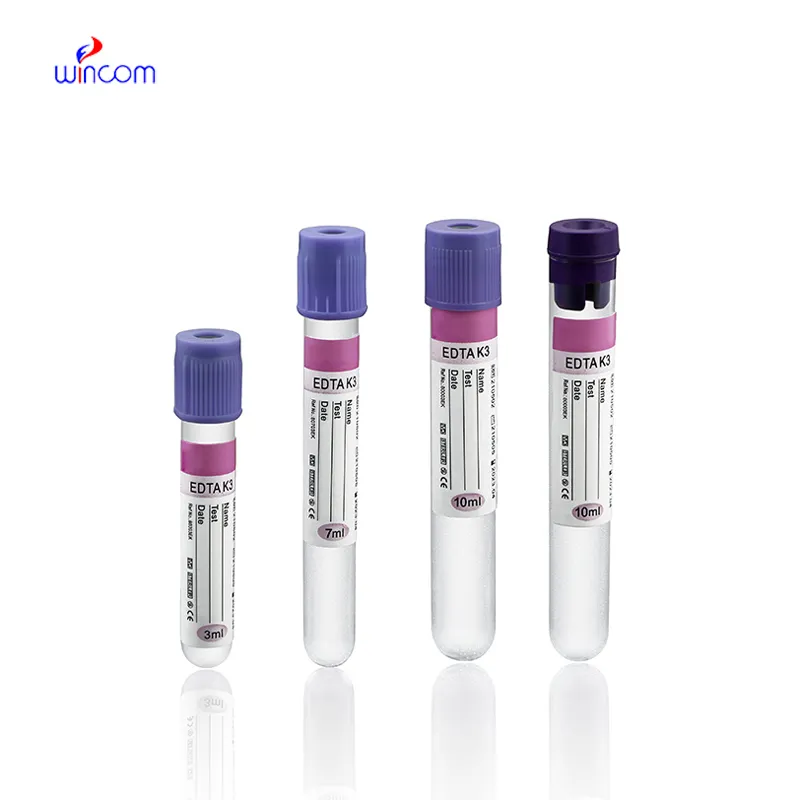
In the future, it is possible that sst tubes for blood collection will be using barcodes and RFID technologies, thus making patient sample tracking seamless. Automated systems might be set up in hospitals and laboratories to enter the collection time, patient data, and tube type automatically, which would minimize the possibility of errors occurring due to humans. If the advanced centrifuge and real-time monitoring are combined, this will lead to better sample traceability and more efficient laboratory workflow. Smart sst tubes for blood collection will guarantee the provision of good-quality diagnostics at hospitals as they will be able to carry sample integrity from collection through analysis, thus ensuring leading to reproducibility of results, faster turnaround times, and reliable patient care whether in routine testing or complex clinical research applications.

The care procedures for sst tubes for blood collection focus on hygiene and expert handling of the samples in clinical environments. To avoid contamination, tubes must be taken out of their packaging only at the time of use. The laboratory personnel should ensure that the boxes containing the tubes are not subjected to the weight of heavy objects on top to avoid deformation. Areas for storage need to be controlled so that there is no excessive vibration or humidity. Staff in the hospital are trained to check the tubes by looking for cracks, color changes, or broken seals before the tubes are used. Following these methods aids the process of keeping samples unaltered and, consequently also lab analysis being accurate in the different hospital departments.
Automated laboratory in hospitals heavily depend on sst tubes for blood collection that are suitable for centrifuges, analyzers and barcode scanning systems. The process of automation demands the use of tubes that have uniform volume and stable chemical properties. In hectic clinical labs, these tubes help in processing the samples quickly by cutting down the number of hands that handle the sample and keeping the contamination risks low. Information systems in the laboratory can monitor every sst tubes for blood collection for the patient's name and testing history. The commonality in the use of the tubes enables hospitals to provide high-volume testing with accurate results in hematology, biochemistry and immunology domains that, in turn, facilitates the management of the workflow and the attainment of the reliable diagnostic outcomes.
Q: What additives are found in Blood Collection Tubes? A: Additives may include anticoagulants, clot activators, or gel separators depending on test requirements. Q: How do Blood Collection Tubes support accurate testing? A: They preserve blood components and prevent degradation during transport and processing. Q: Are Blood Collection Tubes compatible with automated analyzers? A: Yes, most tubes are designed to work with modern laboratory automation systems. Q: Why is proper tube selection important in hospitals? A: Using the correct tube ensures reliable test results and reduces pre-analytical errors. Q: Do Blood Collection Tubes have expiration dates? A: Yes, expiration dates ensure additives remain effective and safe for use.
The delivery bed is well-designed and reliable. Our staff finds it simple to operate, and patients feel comfortable using it.
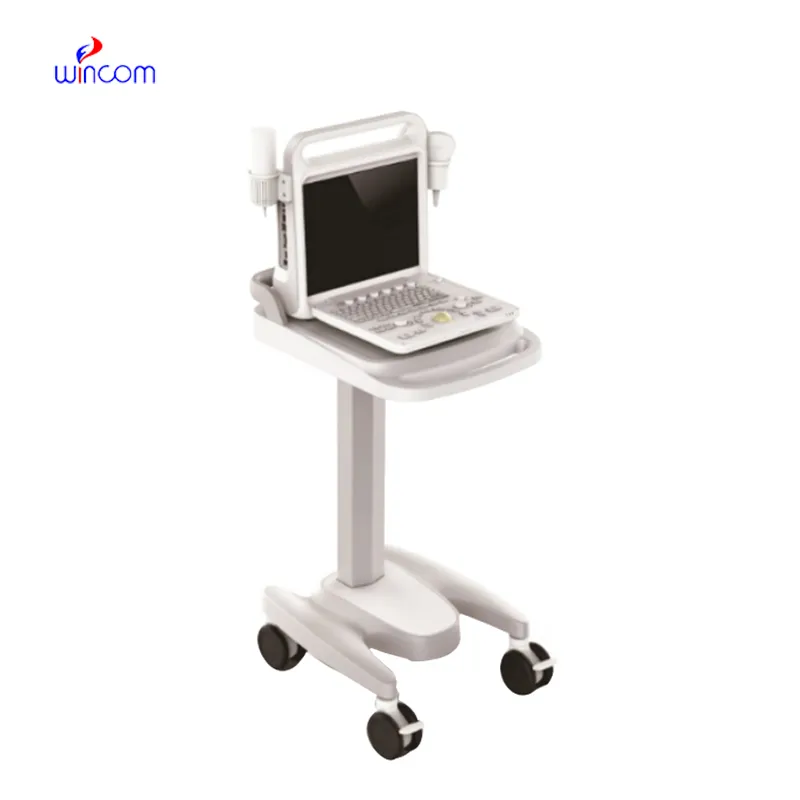
This ultrasound scanner has truly improved our workflow. The image resolution and portability make it a great addition to our clinic.
To protect the privacy of our buyers, only public service email domains like Gmail, Yahoo, and MSN will be displayed. Additionally, only a limited portion of the inquiry content will be shown.
Could you share the specifications and price for your hospital bed models? We’re looking for adjus...
We are planning to upgrade our imaging department and would like more information on your mri machin...
E-mail: [email protected]
Tel: +86-731-84176622
+86-731-84136655
Address: Rm.1507,Xinsancheng Plaza. No.58, Renmin Road(E),Changsha,Hunan,China


 EN
 af
 es
 ar
 tr
 sw
 pt
 th
 ur
 bn
 ne
 vi
 km
 lo
 de
 ru
 fi
 nl
 fa
 fr
 ko