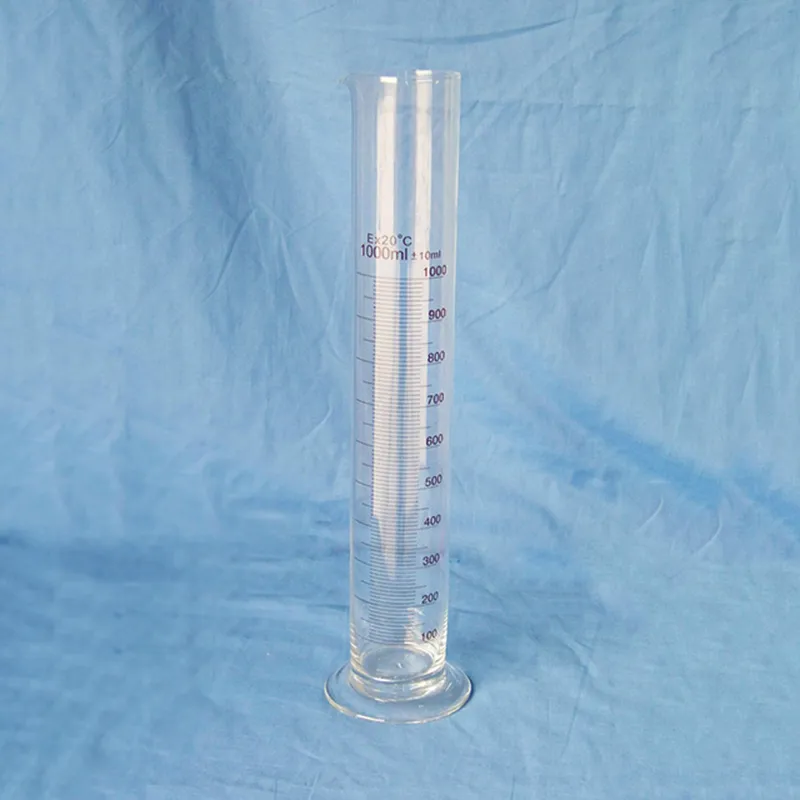
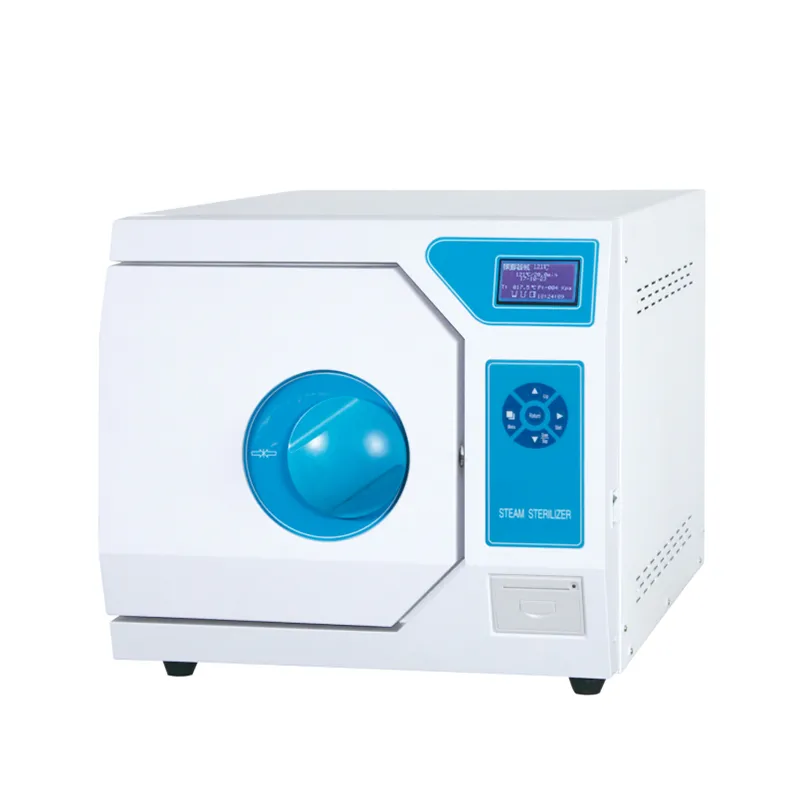
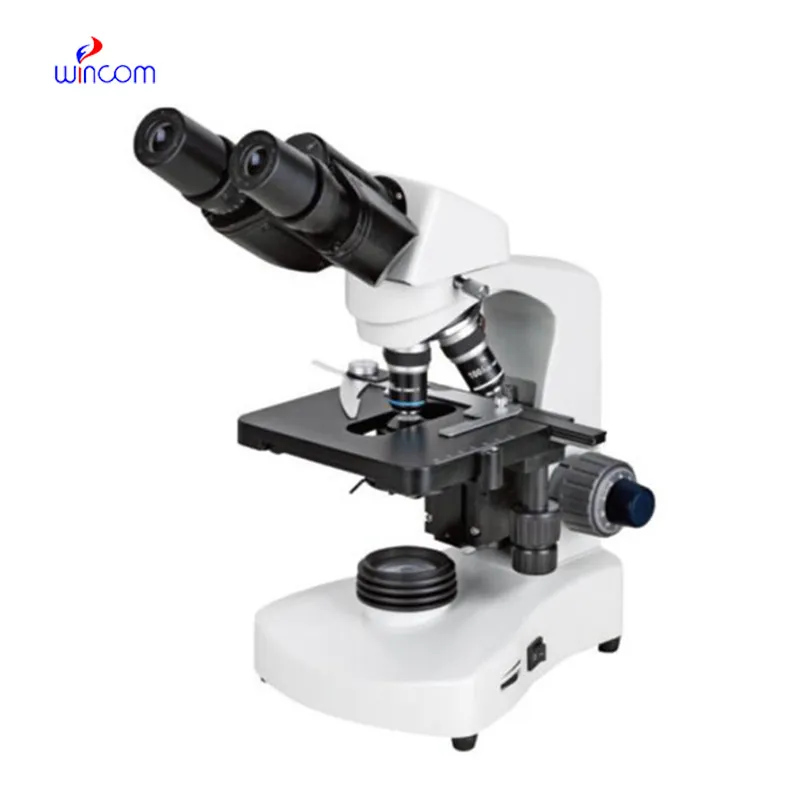
Designed to supply uniform and accurate heating, the use of water bath in laboratory is noted for its rugged build and simple controls. Temperature is variable in small steps and maintained constant through a sophisticated microprocessor-operated system. The stainless-steel enclosure resists corrosion and distributes heat evenly. The use of water bath in laboratory is equipped with automatic temperature recovery and low-water protection for added security. With its sleek exterior, noiseless running, and power conservation, it fits into any laboratory setup. The use of water bath in laboratory makes certain that there is consistent performance during critical experimental procedures.
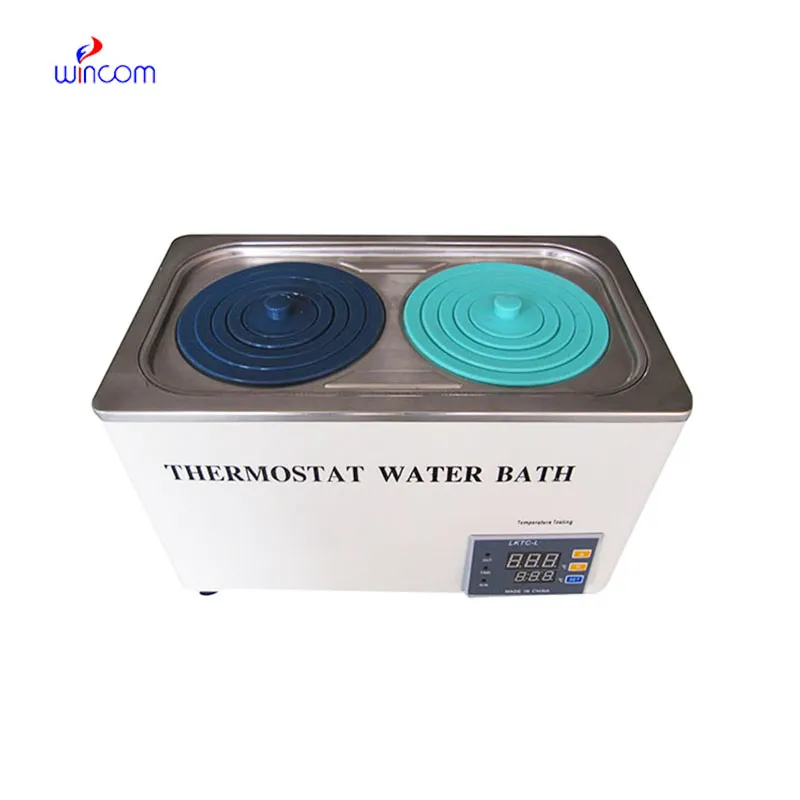
Applied in a wide variety of laboratory and industrial applications, the use of water bath in laboratory delivers repeatable heating for experimental and analytical work. It is mostly applied for the maintenance of cell culture media at specific temperatures, pre-warming chemicals before reactions, or the dissolution of solids in solvents. The use of water bath in laboratory also supports food analysis, pharmaceutical manufacturing, and environmental research. With precision temperature control, it minimizes heat oscillation that can alter experimental findings. It is this flexibility that makes the use of water bath in laboratory an essential instrument in scientific, medical, and industrial research laboratories.

The use of water bath in laboratory of the future will bridge advanced engineering and digital intelligence. Machine learning will adapt and learn to experimental requirements, and real-time temperature mapping ensures precision with each sample. Future systems will have autonomous calibration and enhanced data-monitoring capability for increased reproducibility. The use of water bath in laboratory will drift towards greener design principles with less energy consumption and recyclable materials. The innovations will optimize the laboratory for efficiency and transform the management of temperature control in scientific research.

Keeping the use of water bath in laboratory in good condition enhances efficiency and safety. The users must periodically clean the inner chamber to remove mineral residues or deposits. Clean with distilled or pure water to prevent buildup and allow faultless function. Regularly check temperature calibration for accuracy consistency. Never fill the bath over capacity and make sure the lid seal is not damaged. Keep the use of water bath in laboratory drained, dry, and in a dustless area when they are not being used to prevent corrosion and contamination.
Designed for precise temperature regulation, the use of water bath in laboratory ensures steady heating during scientific processes. It is largely used in laboratories for incubation of samples, thawing reagents, or heating solutions in precise conditions. The use of water bath in laboratory features a heavy-duty construction and rust-resistant interiors to ensure durability and sterility. Its digital interface allows users to set and hold precise temperatures with precise accuracy. Quiet operation and uniform temperature stability make the use of water bath in laboratory a trustable device for repeated laboratory use.
Q: What is the primary function of a water bath in the laboratory? A: A water bath is used to maintain samples at a constant temperature for extended periods, providing stable heating conditions for experiments and reactions. Q: Why is distilled water recommended for use in a water bath? A: Distilled water is preferred because it prevents mineral buildup, reduces corrosion, and helps extend the lifespan of the equipment. Q: How often should the water in a water bath be replaced? A:When contamination or visible residue occurs, it should be replaced at least once a week or more frequently to ensure cleanliness and accurate heating performance. Q: What safety measures should be taken when operating a water bath? A: Users should avoid overfilling, keep electrical components dry, and regularly check temperature controls to prevent overheating or short circuits. Q: Can a water bath be used for heating flammable liquids? A: No, flammable liquids should never be heated in a water bath, as vapors can ignite when exposed to heat or electrical sparks.
The water bath performs consistently and maintains a stable temperature even during long experiments. It’s reliable and easy to operate.
We’ve used this centrifuge for several months now, and it has performed consistently well. The speed control and balance are excellent.
To protect the privacy of our buyers, only public service email domains like Gmail, Yahoo, and MSN will be displayed. Additionally, only a limited portion of the inquiry content will be shown.
We’re interested in your delivery bed for our maternity department. Please send detailed specifica...
I’m looking to purchase several microscopes for a research lab. Please let me know the price list ...
E-mail: [email protected]
Tel: +86-731-84176622
+86-731-84136655
Address: Rm.1507,Xinsancheng Plaza. No.58, Renmin Road(E),Changsha,Hunan,China


 EN
 af
 es
 ar
 tr
 sw
 pt
 th
 ur
 bn
 ne
 vi
 km
 lo
 de
 ru
 fi
 nl
 fa
 fr
 ko