In contemporary healthcare organizations, veterinary anesthesia monitoring acts as the primary monitoring device for tracking heart activity and the most important vital signs. The machine is designed to provide stable ECG readings together with other physiological signals. Its construction allows for good visualization and precise data acquisition, which aids the medical staff in being constantly aware of the situations of the patients. veterinary anesthesia monitoring is frequently used in inpatient areas, labs for tests, and clinical research that need reliable monitoring devices.
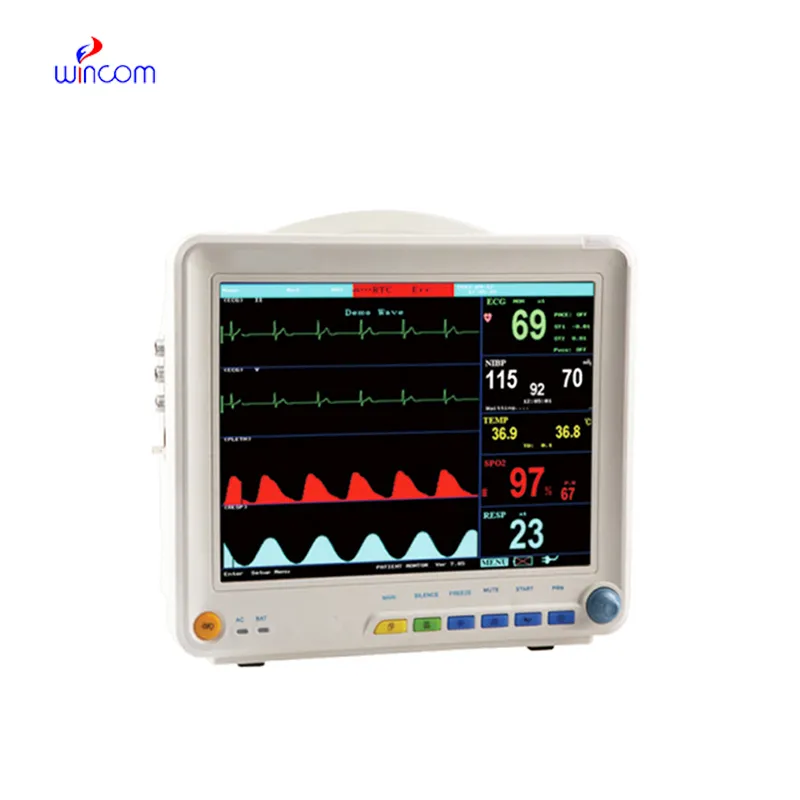
In neonatal and pediatric units, veterinary anesthesia monitoring is executed to assist the continuous monitoring of at-risk patients. ECG monitoring permits the observing of fine heart activity together with vital signs. This application facilitates the uninterrupted monitoring with minimal physical disturbance thus increasing patient safety in the specialized hospital areas.

In the future, veterinary anesthesia monitoring will increasingly support completely virtual hospital infrastructures. The improved connectivity will permit the constant physiological data to unite smoothly with the hospital information systems. This will bring about strong centralized monitoring allowing the clinical staff to see the patient trends even in different departments. As the laboratory and wards get more sophisticated with the data environment, veterinary anesthesia monitoring will play a role in the consistency of data for a longer time, better coordination of workflows, and more extensive analytical capabilities in modern healthcare facilities.
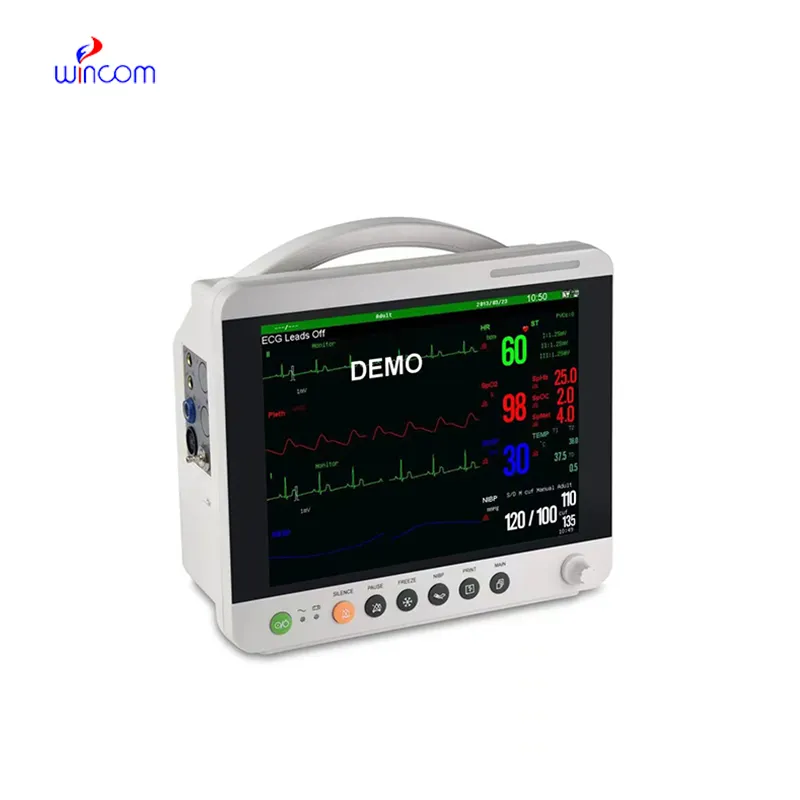
To keep the hospital environment sterile, it is a must to clean regularly the veterinary anesthesia monitoring components like display surfaces, touchscreens, and ECG cables. The filtering systems, vents, and connectors need to be checked to avoid dust buildup. Regular performance tests are helpful in revealing drift or irregularity in monitoring parameters. By following the preventive maintenance schedules, the hospital personnel are making sure that veterinary anesthesia monitoring is giving accurate and continuous monitoring, thus, allowing patient safety in both normal and critical care situations.
The term veterinary anesthesia monitoring is often utilized in the areas where post-operative recovery takes place for the purpose of tracking the stability of patients after surgical procedures. The uninterrupted ECG monitoring helps the healthcare professionals to analyze the heart rhythm patterns during the period of anesthesia recovery. The mixture of vital signs monitoring guarantees the steady and reliable assessment of the patient's condition, thus, reducing the uncertainty in the clinic. Its use in recovery rooms makes the change from surgery to the normal care easier.
Q: How often should ECG electrodes be replaced? A: Signal detection accuracy depends on the regular replacement of electrodes. Q: Can a Patient Monitor & ECG be used in neonatal care? A: Certainly, the use of specialized sensors allows safe monitoring of newborns and infants. Q: Does a Patient Monitor & ECG provide alarm functions? A: Alarms are indeed present, with notifications sent to the staff in case of abnormal heart rates or any other vital sign changes. Q: Can it record trends over time? A: It can indeed show historical data for patient analysis and clinical evaluation. Q: Is maintenance required for a Patient Monitor & ECG? A: Long-term performance and accuracy depend on regular maintenance and cleaning which are appropriate for the equipment.
We’ve used this centrifuge for several months now, and it has performed consistently well. The speed control and balance are excellent.
The hospital bed is well-designed and very practical. Patients find it comfortable, and nurses appreciate how simple it is to operate.
To protect the privacy of our buyers, only public service email domains like Gmail, Yahoo, and MSN will be displayed. Additionally, only a limited portion of the inquiry content will be shown.
I’d like to inquire about your x-ray machine models. Could you provide the technical datasheet, wa...
Could you please provide more information about your microscope range? I’d like to know the magnif...
E-mail: [email protected]
Tel: +86-731-84176622
+86-731-84136655
Address: Rm.1507,Xinsancheng Plaza. No.58, Renmin Road(E),Changsha,Hunan,China


 EN
 af
 es
 ar
 tr
 sw
 pt
 th
 ur
 bn
 ne
 vi
 km
 lo
 de
 ru
 fi
 nl
 fa
 fr
 ko