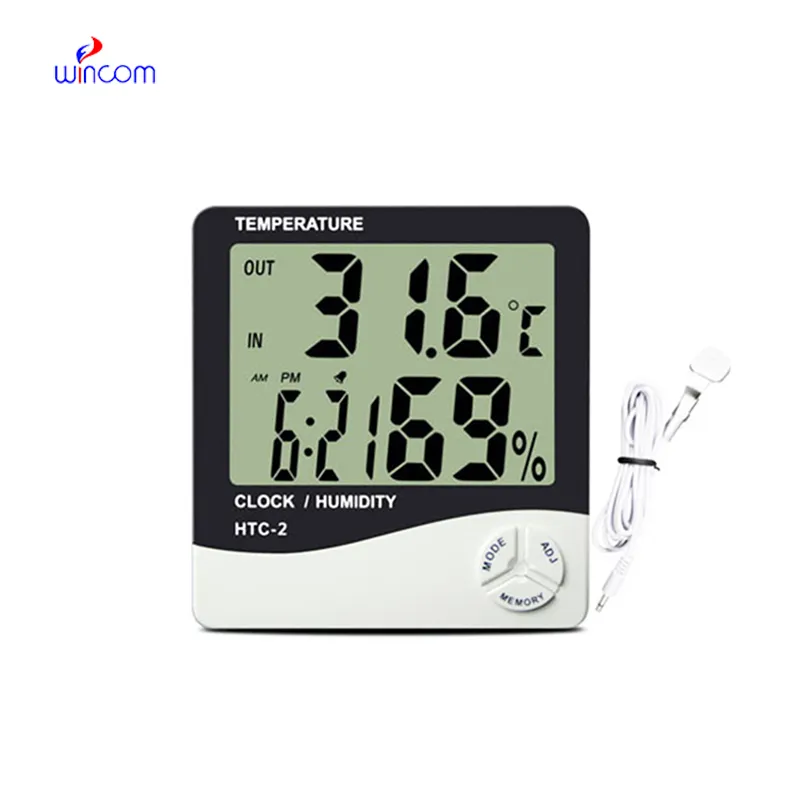
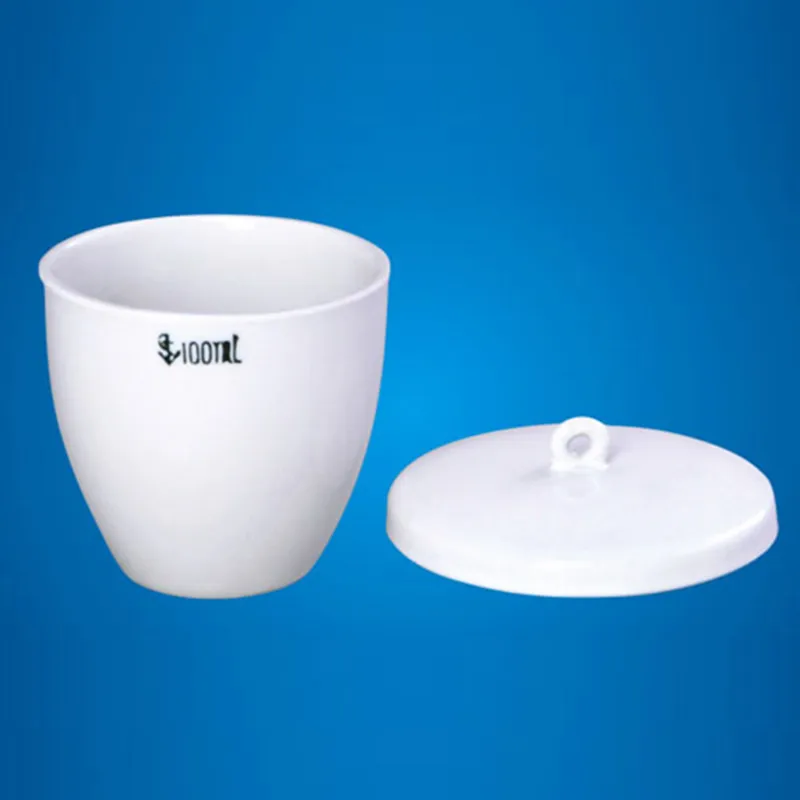
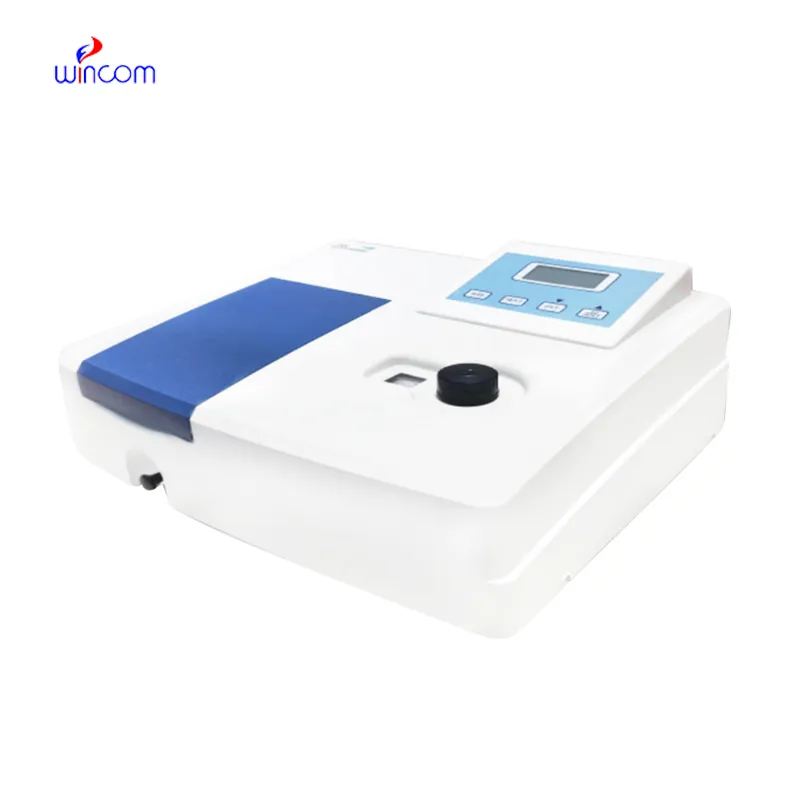
With versatility and accuracy in mind, the water bath laboratory uses is best for any laboratory function where temperature stability matters. It incorporates intelligent heating elements that distribute even heat across the water surface. The water bath laboratory uses is built with long-lasting materials that can endure long-term operation and exposure to various substances. Its control panel is simple to program temperature and monitor. With its smooth surface and lid that can be removed, cleaning and maintenance are a breeze. The water bath laboratory uses offers consistent thermal conditions, maximizing experiment dependability and laboratory productivity.
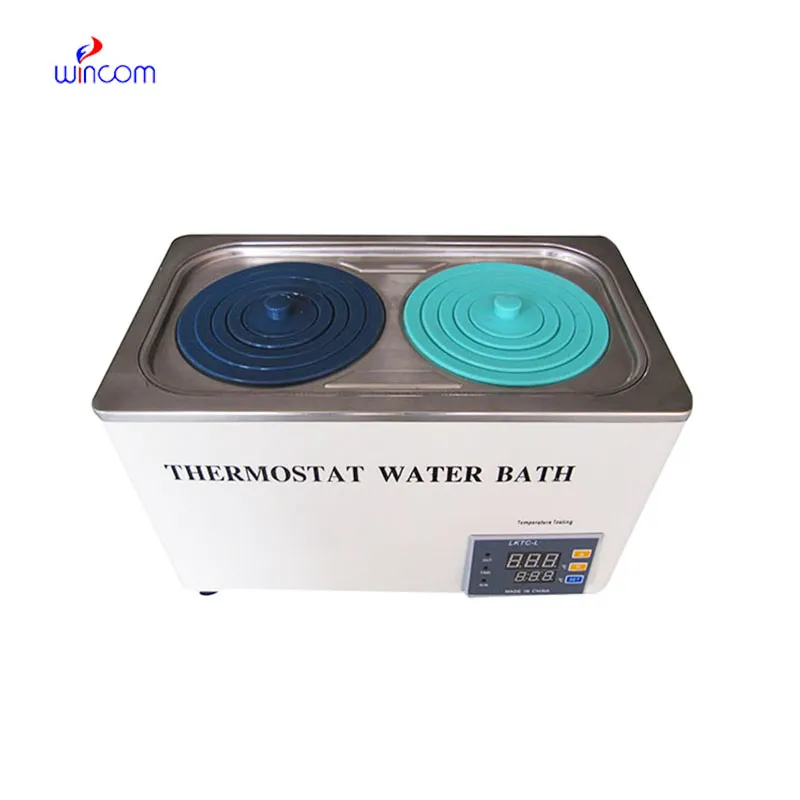
Employed extensively in life sciences, environmental testing, and industrial R&D work, the water bath laboratory uses promotes even heat for sensitive operations. Employed to enable laboratory operations that include heating reagents, culture incubation, and biochemical reaction maintenance, the water bath laboratory uses is applied in environmental studies for sample conditioning and temperature-related analysis. With a stable thermal response, it minimizes experiment-to-experiment variability. From applications in work done for instruction to research-level work, the water bath laboratory uses provides a dependable heat environment that enhances the integrity of lab investigations.

Future water bath laboratory uses will be altered by smart control systems and greater connectivity. The new designs will include self-regulating thermal technology that will be able to change heat automatically based on sample requirements. The addition of wireless communication will allow scientists to observe temperature performance in real-time. The water bath laboratory uses will also be greener, with the use of materials that minimize energy wastage and environmental impact. The innovation will improve laboratory productivity and facilitate more complex scientific experimentation.

Maintenance of water bath laboratory uses involves periodic cleaning and inspection cycles. Unplug the device and let it cool down completely. Clean the interior using non-abrasive cleaning materials to prevent scratching. Use deionized water to limit mineral deposition and maximize heating efficiency. Check for rust or deposition on metal components. Ensure the temperature sensor is covered up to the hilt in use. Regular maintenance prevents the water bath laboratory uses from delivering optimal performance and shortening the lifespan of its heater elements.
The water bath laboratory uses is a device that is normally applied to heat samples gradually and uniformly under temperature regulation. The instrument is an essential part of laboratories for offering stable thermal conditions for reactions, culture media preparation, and activation of enzymes. Water circulating within the water bath laboratory uses facilitates the transfer of heat uniformly to prevent overheating. Most models come with digital readouts to allow for precise temperature measurement and simple adjustment. The water bath laboratory uses can accommodate a broad scope of scientific uses where precise control of temperature improves experimental accuracy and replicability.
Q: What is the primary function of a water bath in the laboratory? A: A water bath is used to maintain samples at a constant temperature for extended periods, providing stable heating conditions for experiments and reactions. Q: Why is distilled water recommended for use in a water bath? A: Distilled water is preferred because it prevents mineral buildup, reduces corrosion, and helps extend the lifespan of the equipment. Q: How often should the water in a water bath be replaced? A:When contamination or visible residue occurs, it should be replaced at least once a week or more frequently to ensure cleanliness and accurate heating performance. Q: What safety measures should be taken when operating a water bath? A: Users should avoid overfilling, keep electrical components dry, and regularly check temperature controls to prevent overheating or short circuits. Q: Can a water bath be used for heating flammable liquids? A: No, flammable liquids should never be heated in a water bath, as vapors can ignite when exposed to heat or electrical sparks.
We’ve used this centrifuge for several months now, and it has performed consistently well. The speed control and balance are excellent.
I’ve used several microscopes before, but this one stands out for its sturdy design and smooth magnification control.
To protect the privacy of our buyers, only public service email domains like Gmail, Yahoo, and MSN will be displayed. Additionally, only a limited portion of the inquiry content will be shown.
We’re currently sourcing an ultrasound scanner for hospital use. Please send product specification...
Hello, I’m interested in your centrifuge models for laboratory use. Could you please send me more ...
E-mail: [email protected]
Tel: +86-731-84176622
+86-731-84136655
Address: Rm.1507,Xinsancheng Plaza. No.58, Renmin Road(E),Changsha,Hunan,China


 EN
 af
 es
 ar
 tr
 sw
 pt
 th
 ur
 bn
 ne
 vi
 km
 lo
 de
 ru
 fi
 nl
 fa
 fr
 ko